Platform on architecture, interior design and landscape architecture
Design choices in preliminary design determine ecological impact and project value
“Green should no longer be seen as decoration. Building design should become part of the local ecosystem,” said Harold Coenders, Executive Director of Consulting at Colliers. According to the real estate consulting firm, nature-inclusive building can contribute to the feasibility of projects in the Netherlands. Development and permit processes remain complex due to nitrogen space, grid congestion, water issues and lengthy procedures, but nature-inclusive design choices can help speed up processes and reduce risks.
Colliers expects nature-inclusive building to break through further in 2026. Not only from idealism, but also because climate adaptation, biodiversity and health are increasingly included as hard preconditions in spatial development.
Nature-inclusive building means that nature is no longer seen as an obstacle, but as an integral part of design, construction and management. It goes beyond a green roof or additional planting. The starting point is that building and environment together form one system, with attention to water collection, biodiversity and quality of life. Colliers emphasizes that nature-inclusive building is not the same as biobased building: where biobased is mainly about the choice of materials, nature-inclusive building is about the relationship between building, outdoor space and environment.
According to Coenders, the greatest gains arise when nature-inclusive principles are incorporated from the first design steps. “Decisions about building volume, roof shapes, facade openings, choice of materials and the design of outdoor space largely determine the ecological impact. These choices are steerable only in the preliminary design.”
Water management also requires integration from the beginning. The water logic (from roof to ground level) is difficult to incorporate later without concessions to design or cost. The routing to green areas, wadis or retention roofs must be right from the concept phase.
Coenders points out that nature inclusiveness should not be stuck in isolated measures. “Make the building design part of the local green ecosystem and environment. That means preserving and strengthening the connection to existing nature, such as trees, water streams and biodiversity.”
Colliers explicitly links nature-inclusive building to value creation and feasibility. Among other things, the organization refers to insights from RVO and market parties that indicate that a green environment increases the attractiveness of real estate, including through effects on air quality, heat stress and the microclimate.
“The most important value is created by allowing development to proceed at all,” Coenders says. “Through nature-inclusive construction, nitrogen values may be achievable. In addition, additional value is created by improved rentability.” Know who you are designing for and which value driver is most important to the client.”
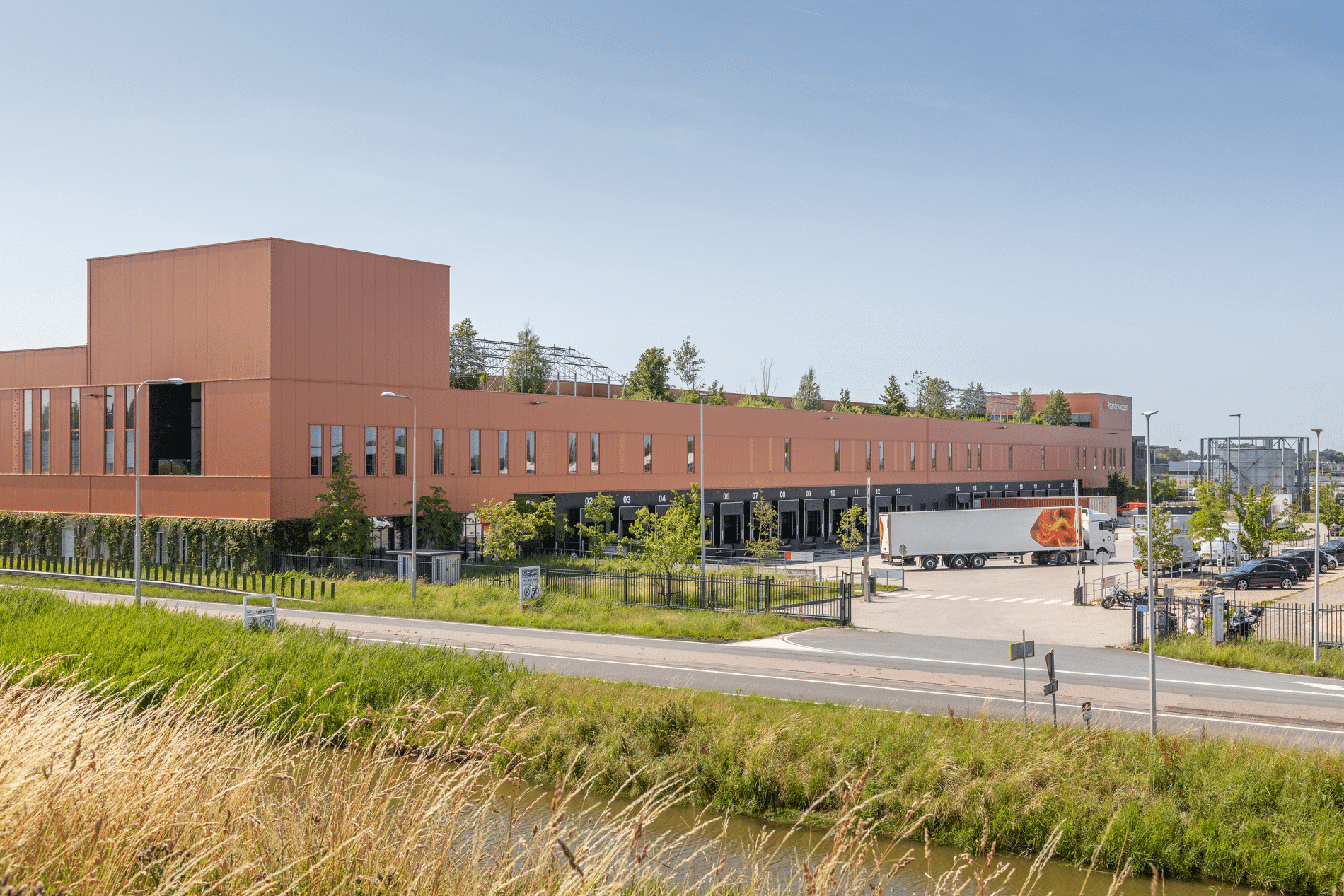
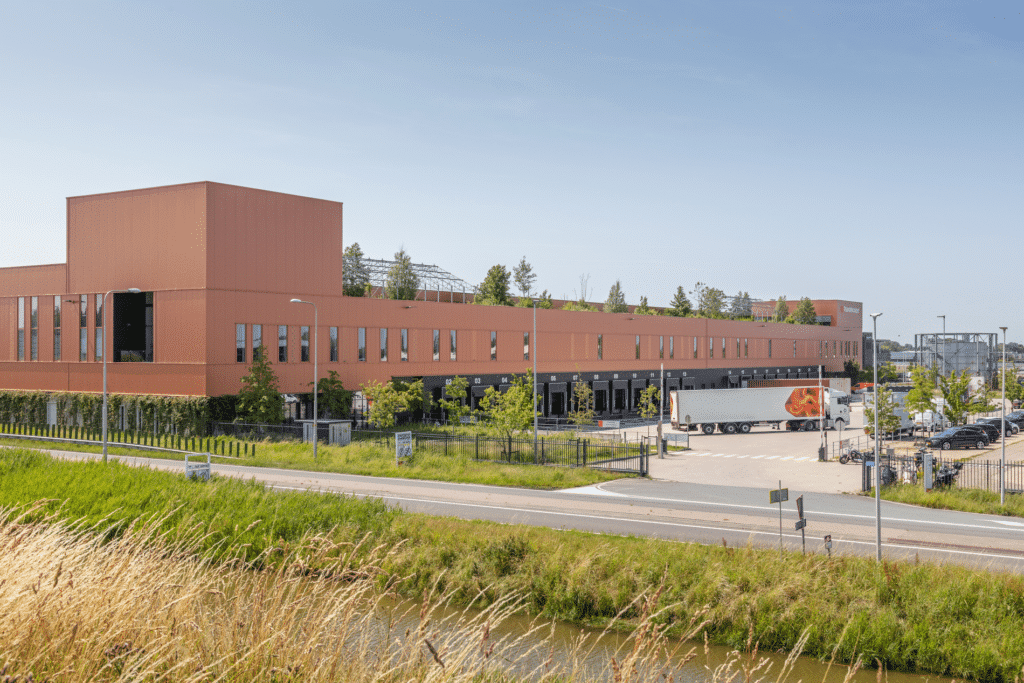
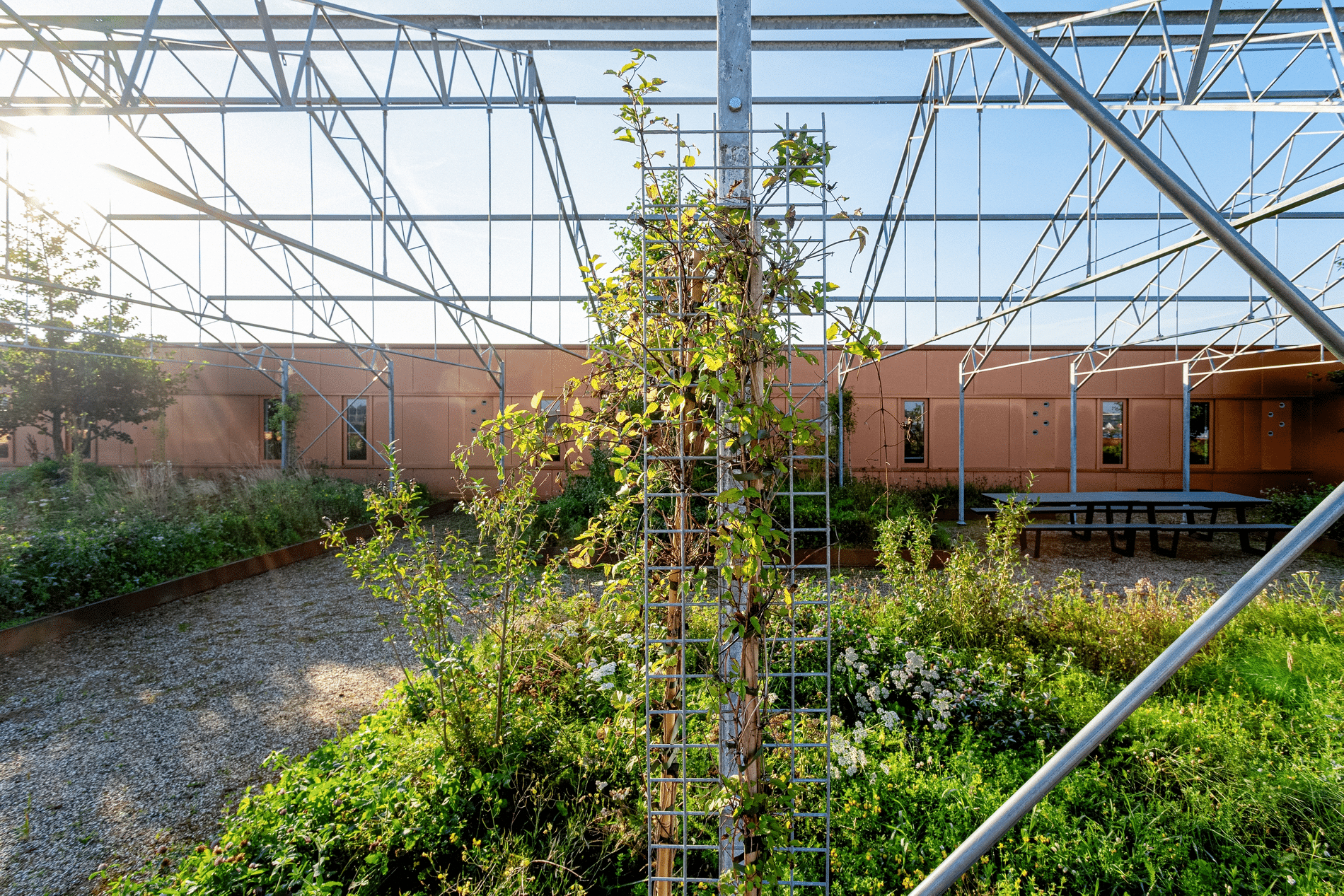
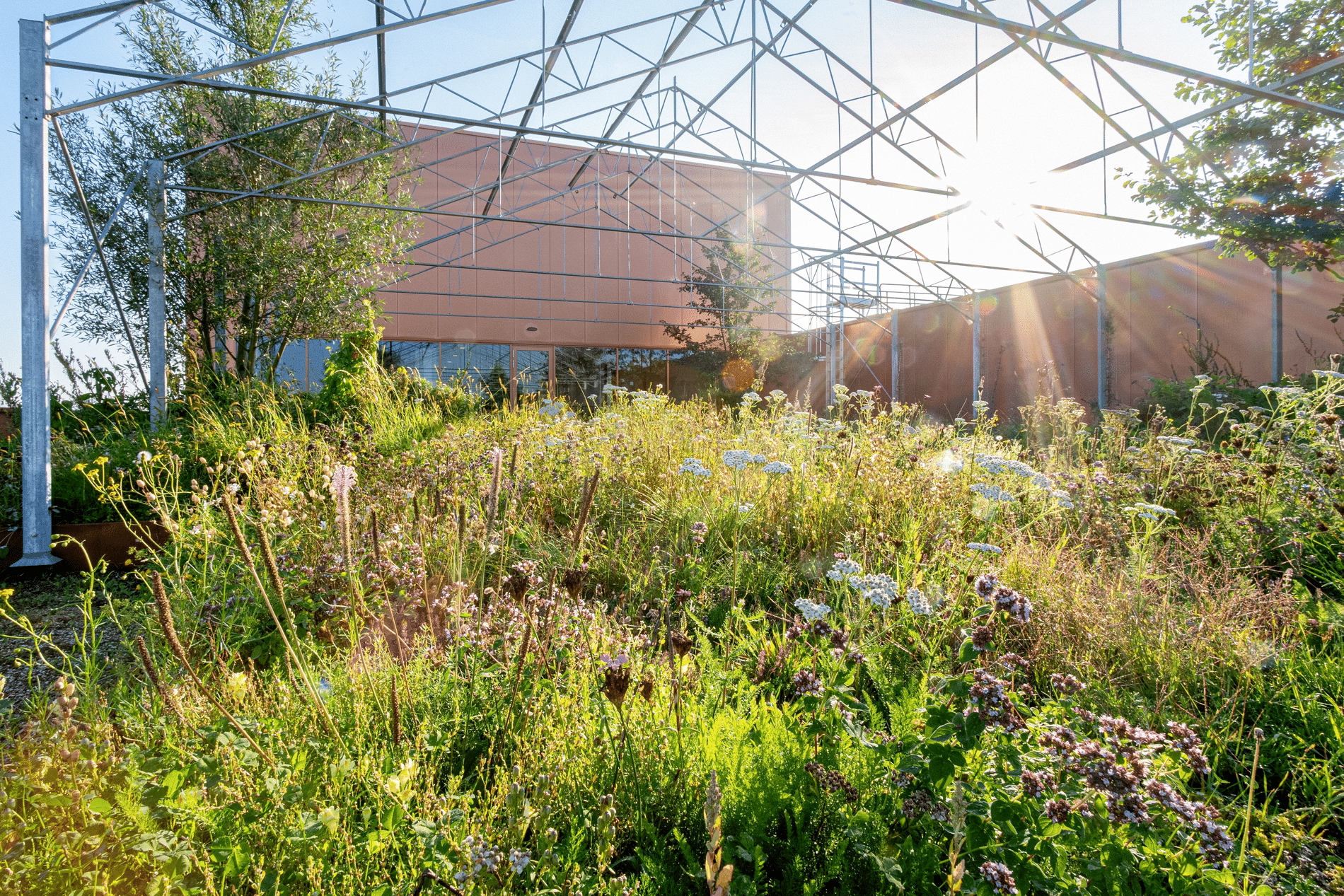
An example is distribution center Virgo in Aalsmeer by Heembouw Architects in collaboration with Stellar Development and Rebel Group as sustainable consultant, where biodiversity was enhanced with an intensive roof garden with trees and plantings developed in collaboration with ecologists and landscape architects.
For architects in particular, this means that nature inclusivity cannot be treated as an add-on at the end, but as a design parameter that provides direction as early as the preliminary design, in conjunction with roof, façade and outdoor space.