Platform on architecture, interior design and landscape architecture
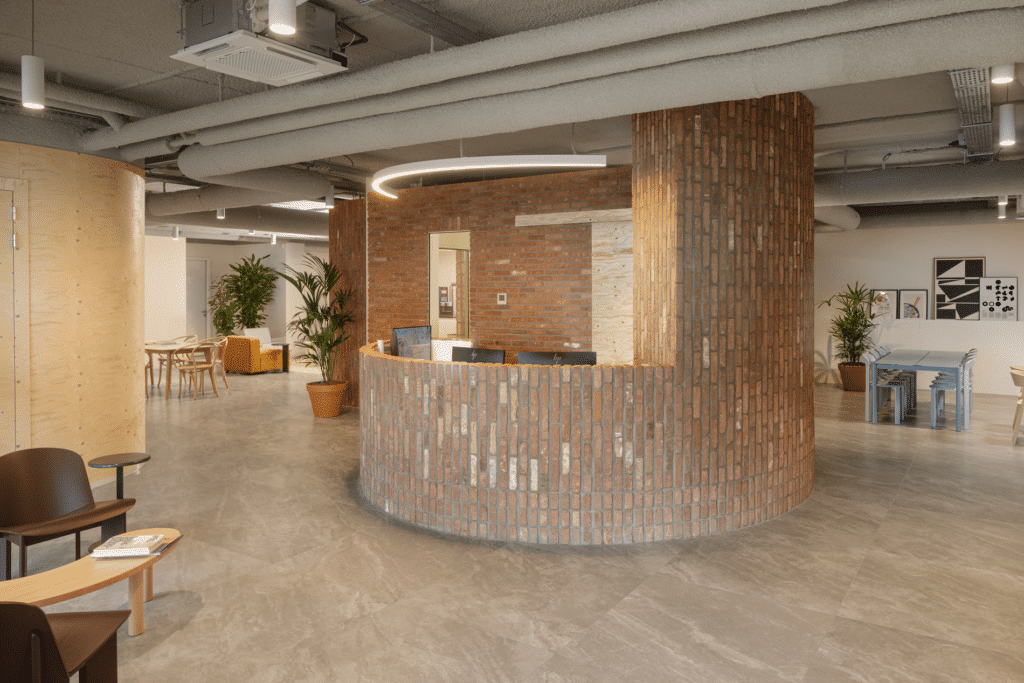
On materiality and experience in office architecture....
As of Feb. 1, Nuria Ripoll Aparisi is Head of Design at real estate consultant Colliers. Speaking to trade magazine ArchiComm, she explains that she believes an office should be more than just an efficient workplace. “My dream is the creation of an office where people leave with more energy than they came in with,” she says. That focus on well-being, materiality and sensory quality is at the heart of her design approach.
Originally from Valencia, Ripoll has now lived in the Netherlands for 16 years. While studying architecture, an Erasmus year brought her to TU Eindhoven. After graduation, she worked in Spain for four more years, but the desire to return remained. “I fell in love with the Netherlands. With the culture, the honesty and the respect. I felt at home here.” Thanks to that international background, she combines a Mediterranean sensibility for social interaction with Dutch sobriety in the design process.
In Spain, she worked in urban planning, but gradually shifted her focus to interior architecture. “On an urban scale you make an impact over time, but in a work environment you see immediately what a space does to people.” It was precisely the direct relationship between design and daily use that attracted her. Office projects appeal to her because users spend hours there every day. “That requires quality. It shouldn't just be about efficiency and cost.”
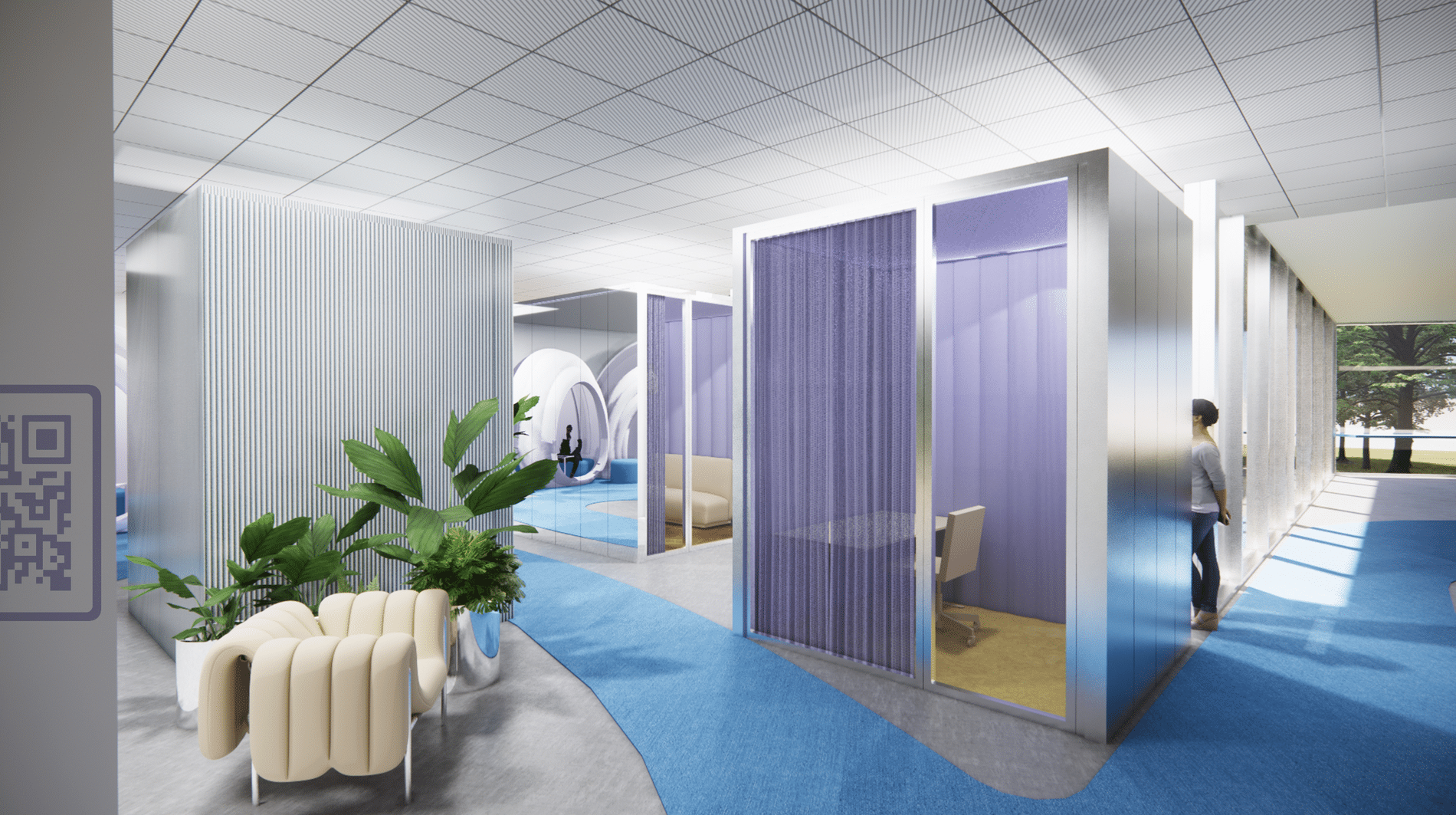
That belief aligns with Colliers Design's approach to projects. The firm works integrally, aligning design, budget, realization and management from the beginning. “A design never stands alone. If you don't collaborate with project managers and structural engineers from the start, other parties make decisions that can affect spatial quality.” By connecting disciplines early on, she says, concept and execution remain better balanced, creating more coherence between spatial ambition and technical feasibility.
Ripoll sees the biggest change in demand for office interiors in the hybrid work practice. “After corona, everyone knows that working from other places is possible. That has given people autonomy.” At the same time, organizations are struggling with vacancy on quiet days and overcrowded offices at peak times.
“The challenge is balance. You have to design spaces that encourage social interaction, but also deal flexibly with changing occupancy.” That requires a different programming of spaces: fewer fixed workstations, more places for meeting, concentration and informal exchange. According to Ripoll, the office must once again become a destination rather than an obligation. “People have to have a reason to come to the office.”
In that appeal, sensory aspects play a larger role than is often assumed. “Acoustics is perhaps the most underrated design choice. You don't see it, but you feel it immediately.” In addition, sound, smell and materials also influence how people behave in a space and how long they can concentrate.

She herself always pays attention to mate- first when entering.
riality and tactility. “Is a space hard or soft? Wood or textiles bring warmth, while lots of glass looks transparent and light. However, this can also be distant. You can then tape off the glass with privacy film, but why did you use it so much in the first place?” According to her, spatial quality starts with conscious choices: “Do you want a pronounced corporate look here or a more homely atmosphere? You determine that with material, light and detail.”
In her new position, her substantive direction will not change substantially. “Quality and collaboration remain our focus. I think it is more important that designers strengthen each other rather than compete, because we make better projects when we are open and help each other.”