Platform on architecture, interior design and landscape architecture
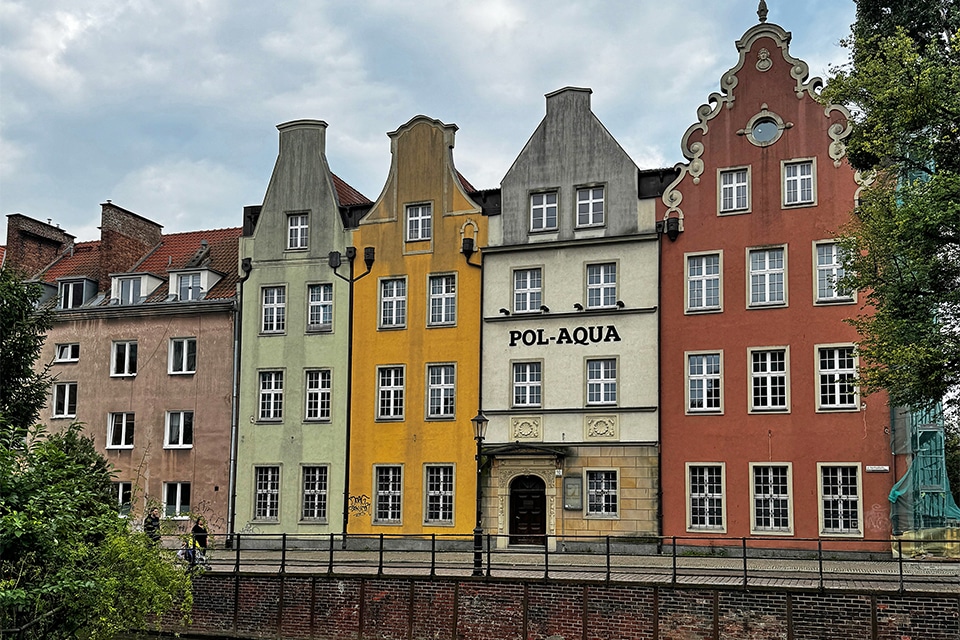
I recently visited Gdańsk, in northern Poland. This port city has a centuries-old connection with Amsterdam. During the Hanseatic League era and later during the Golden Age, there was intensive trade between the two cities. Not only goods were traded, but people also moved between the two cities: Amsterdam merchants settled in Gdansk and brought with them their knowledge, tastes, and architectural styles. As a result, the city center of Gdansk still resembles Amsterdam to this day. But... with its own colorful twist.
Walking through Lange Markt—the main street in the pedestrian zone of the city center—you see facades that resemble our canal houses, but painted in red, yellow, blue, and green. It feels familiar and surprising at the same time. The same image can be found in the many side streets: Amsterdam in Poland!
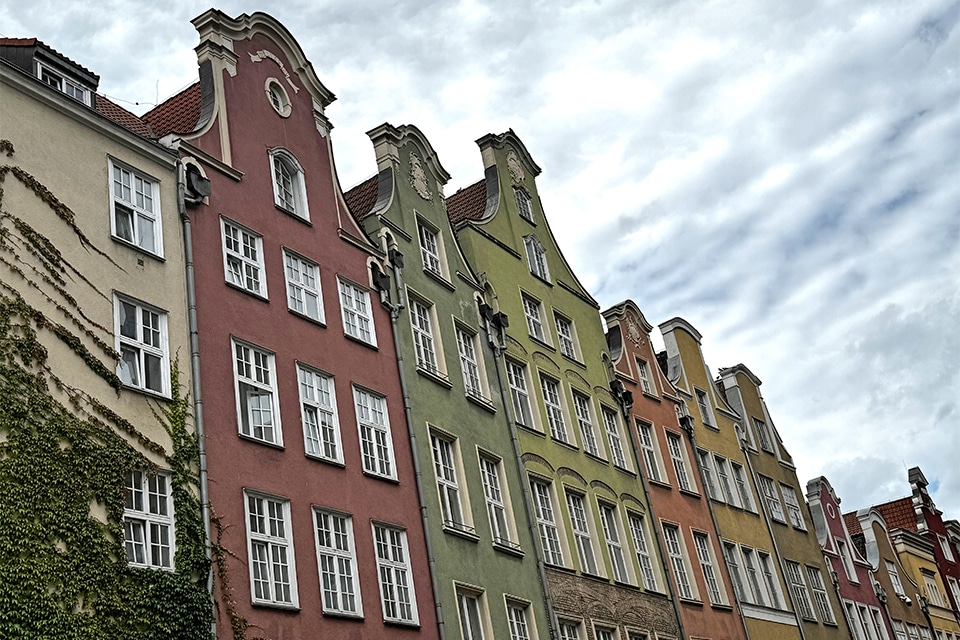
And then you notice what is not there: litter. In Gdansk, there are no dirty sidewalks, no piles of garbage bags, no vermin. The architecture stands out like a jewel in a carefully polished shop window. It makes it painfully clear (for Amsterdam) that appreciation for heritage does not stop at maintaining the buildings themselves. The surroundings determine at least as much how architecture is experienced.
An old proverb says: even if a monkey wears a golden ring, it is and remains an ugly thing. Translated to this context: a beautiful building loses its luster when it is located in a messy, dirty setting.
This raises a potentially uncomfortable question. If architects create designs that last for decades, sometimes even centuries, shouldn't they also have a say in how the immediate surroundings are managed? Officially, this is not the designer's responsibility, but if the context affects the architect's work, this also constitutes a loss of quality. And considerable negative publicity!
Gdansk seems to have succeeded in this: a city full of historic architecture, spotlessly clean and safe, without compromising on liveliness. Why should we in Amsterdam settle for less? Do we want Gdansk to surpass Amsterdam on international lists of the most beautiful cities? (There's a good chance this has already happened!).
Architects of the Netherlands: make your voice heard. If a design threatens to become a flag on a mud boat, raise the alarm with municipalities and policymakers. Ask for agreements on the management and maintenance of the public space surrounding your projects. Cultural heritage is more than walls and roofs; it is also the street in front of it and the air around it.
Just take a look at the beautiful, sensible, and truly much more attractive city of Gdańsk, there in northern Poland.