Platform on architecture, interior design and landscape architecture
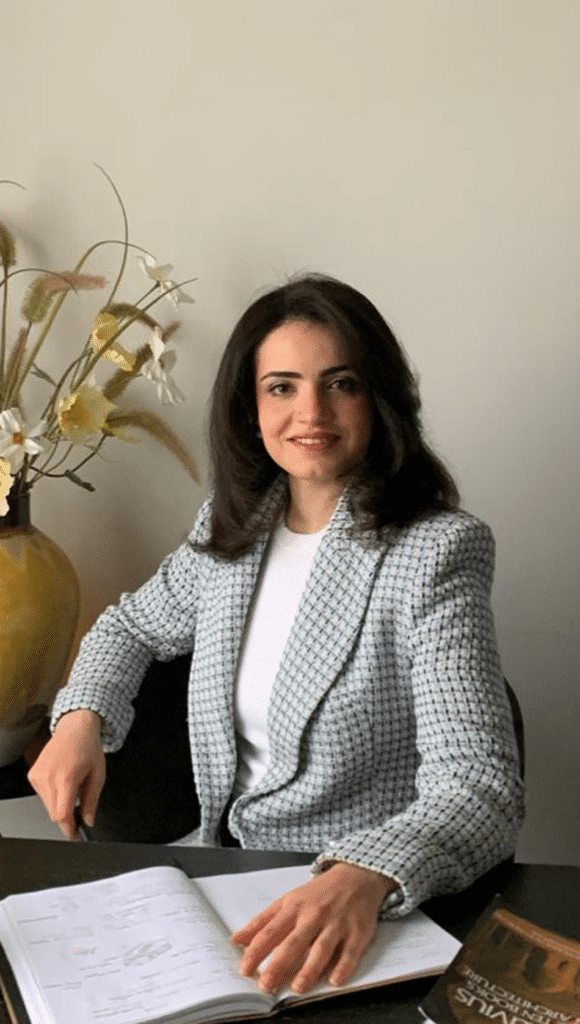
Performance, data and regulation dominate the architecture debate. It is the reason why architect Farah Abdullaa advocates the power of the concept. Not as a counterpart to technology, but as a foundation. “Architecture is more than just the right technical values,” she says. “Concept formation from an analysis of location, climate, future changes and client wishes forms the relationship between environment, building and user.”
Rules have always played a role. What has changed is technology. More and more is tested and calculated virtually in advance. Still, according to Abdullaa, the essence is not in data, but in perception. “Any engineer can realize a building that will stand and be wind and watertight. But it is the architect who finds the relevant touches that should be part of the user experience.” In the way material, light and space communicate with the user lies imagination. “A strong concept is the defense of design.”
The rise of parametric design and AI raises questions of authorship and signature. Abdullaa sees technology primarily as enrichment. “It has now become possible to work faster and more precisely, which ultimately creates fewer problems in execution.” She compares AI to a multidisciplinary team: ideas are discussed, tested and honed. “An individual can now have the knowledge of a team.”

Still, the architect remains responsible for input and assessment of the result. “The sheer number of possibilities requires clarity, sharpness and precision from the designer,” he says. Technology can free up time in drawing, analysis and visualization, creating space for reflection and design quality. That broader role of the architect as director ties in with that. Knowledge of multiple disciplines is essential, she says. “The goal is to safeguard the design in the translation from paper to reality. Knowing what the essence is helps in making changes to that ‘one right and unique design.’”
Building within existing structures is the rule rather than the exception. Repurposing and transformation ask not only technical but also aesthetic questions. Why is one building treasured and another not? What is central within the study strongly influences how students learn to view, assess and appreciate.”
Abdullaa also sees a shift in sustainability. It is not the sum of performance that should be leading, but its integration into the design. Circularity translates into demountable detailing and conscious material choices. Energy efficiency is about positioning, overhangs and interior gardens. “Thus, many of these ‘achievements’ can actually be used to architectural advantage.” By including them from the beginning, you prevent architecture from becoming a spreadsheet.
Looking ahead, she expects AI to give time back in the process. But she sees the biggest impact in redefining sustainability: buildings that people want to keep. “The psychological effect of interior and exterior space should be more part of the process. Architecture should be technically correct, but above all it should be meaningful,” she concludes.
Farah Abdullaa
Junior architect, currently still looking for a place with the ambition and design vision that she herself has. Farah resides in Vlijmen.