Platform on architecture, interior design and landscape architecture
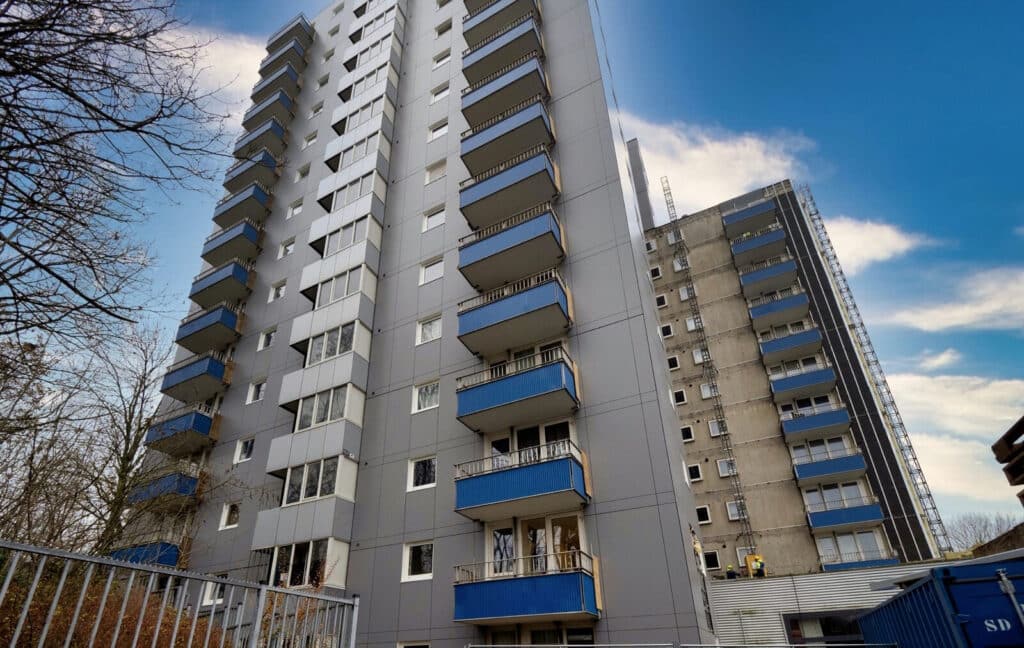
For architects, sustainability has long since ceased to be merely an ambition outlined in a design vision. Material choices must increasingly be substantiated with verifiable evidence: what is the CO2 impact, where do raw materials come from, which performance characteristics have been verified, and what happens to a product after its initial phase of use? Against this backdrop, Trespa introduced the Trespa Standard just under two years ago—a proprietary framework centered on transparency and verifiable product information.
The idea behind it is simple: don’t just say that a material is sustainable—explain what that claim is based on. This includes, among other things, Environmental Product Declarations (EPDs), Health Product Declarations (HPDs), data on biobased content, VOC emissions, and declarations for building certifications. A key principle is that such information is assessed or verified by external parties. This makes the standard less of a marketing claim and more of a way to substantiate design decisions substantively and technically.
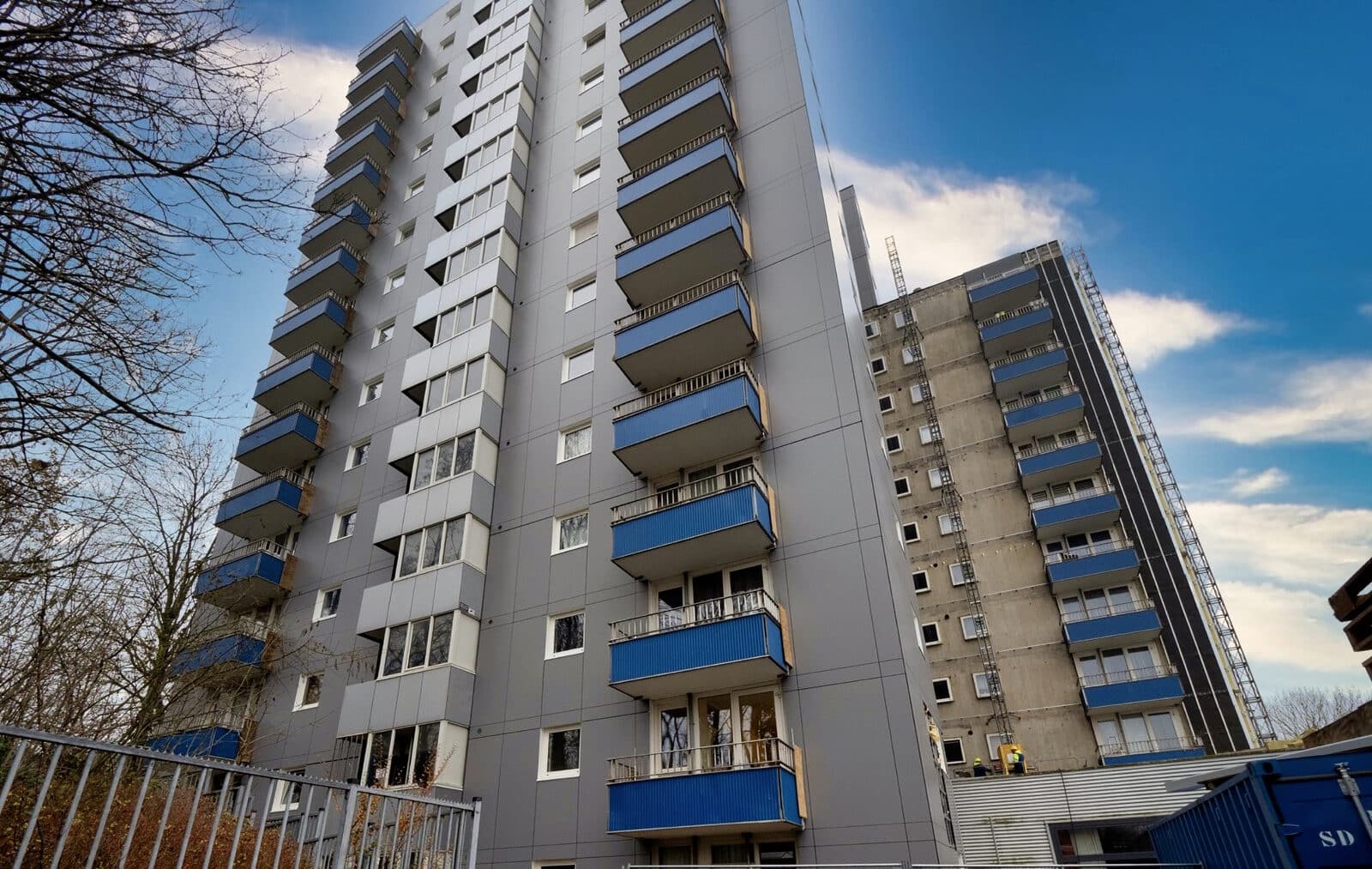
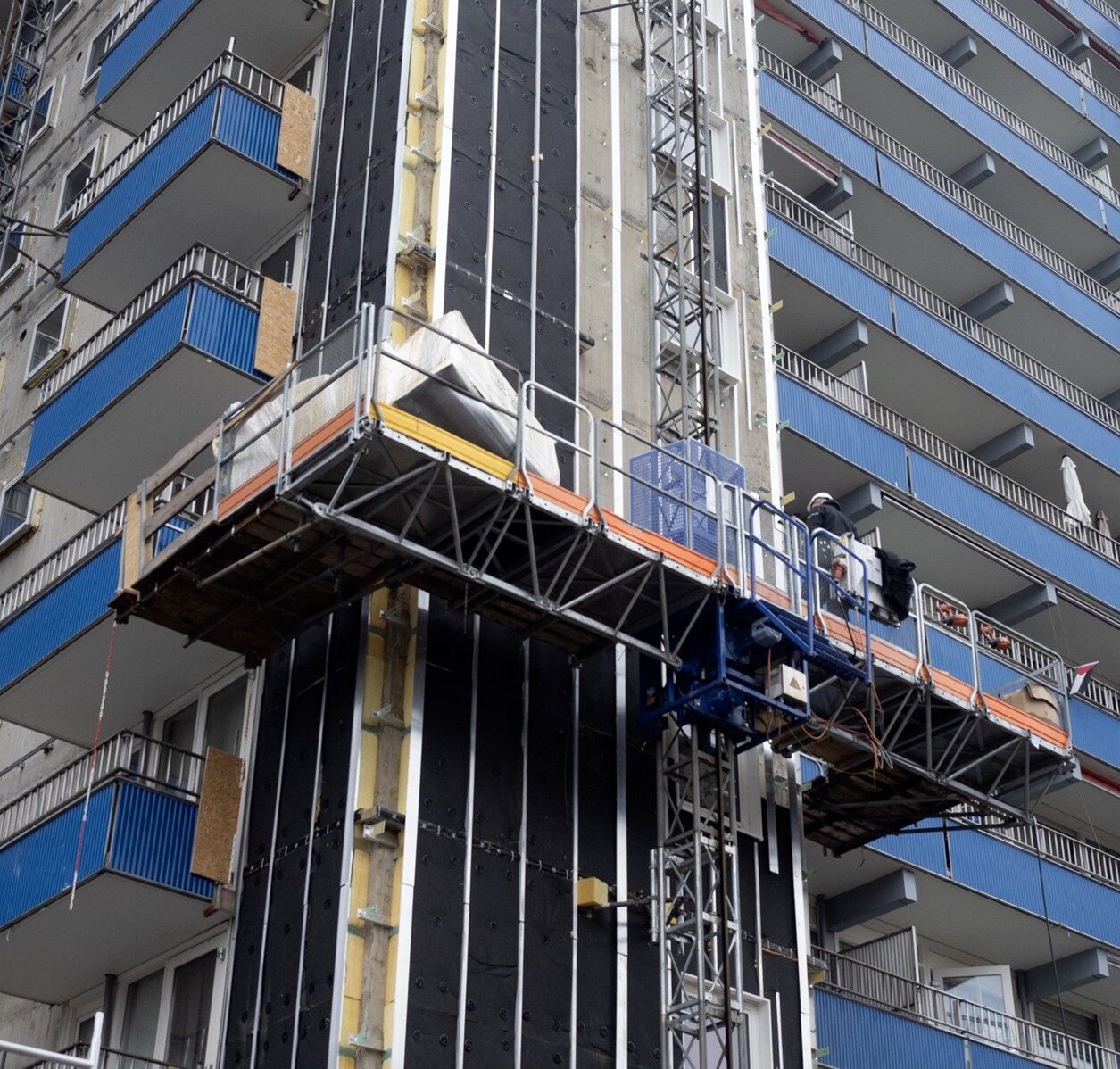
For architects, this directly impacts the design process. Aesthetics, technology, safety, and environmental performance all come together, especially when it comes to facades. “An architect doesn’t want to discover after the fact that a choice of material is difficult to justify,” says account manager Jim Wolters. “It’s precisely during the design phase that it must be clear what performance a product delivers and what data is available to support that. Then you can link aesthetic choices to demonstrable performance.”
The Trespa Standard places a strong emphasis on the measurability of sustainability. It examines the origin of raw materials, the carbon footprint of products, the production process, and the product’s lifespan. Furthermore, Trespa’s documentation distinguishes between carbon sequestration during production, operational carbon emissions during a building’s use, and end-of-life emissions.
For the architect responsible for the design, this approach primarily means that material choices are easier to compare and document. Especially now that clients, certification systems, and regulations are increasingly demanding supporting documentation, the availability of product data has become an integral part of the design decision.
Fire safety is also part of this broader approach. The guiding principle should not be the assumption that a material is ‘safe enough,’ but rather verifiable product properties. For architects, this means that safety can be factored in—starting with the material selection for a facade—based on verifiable information.
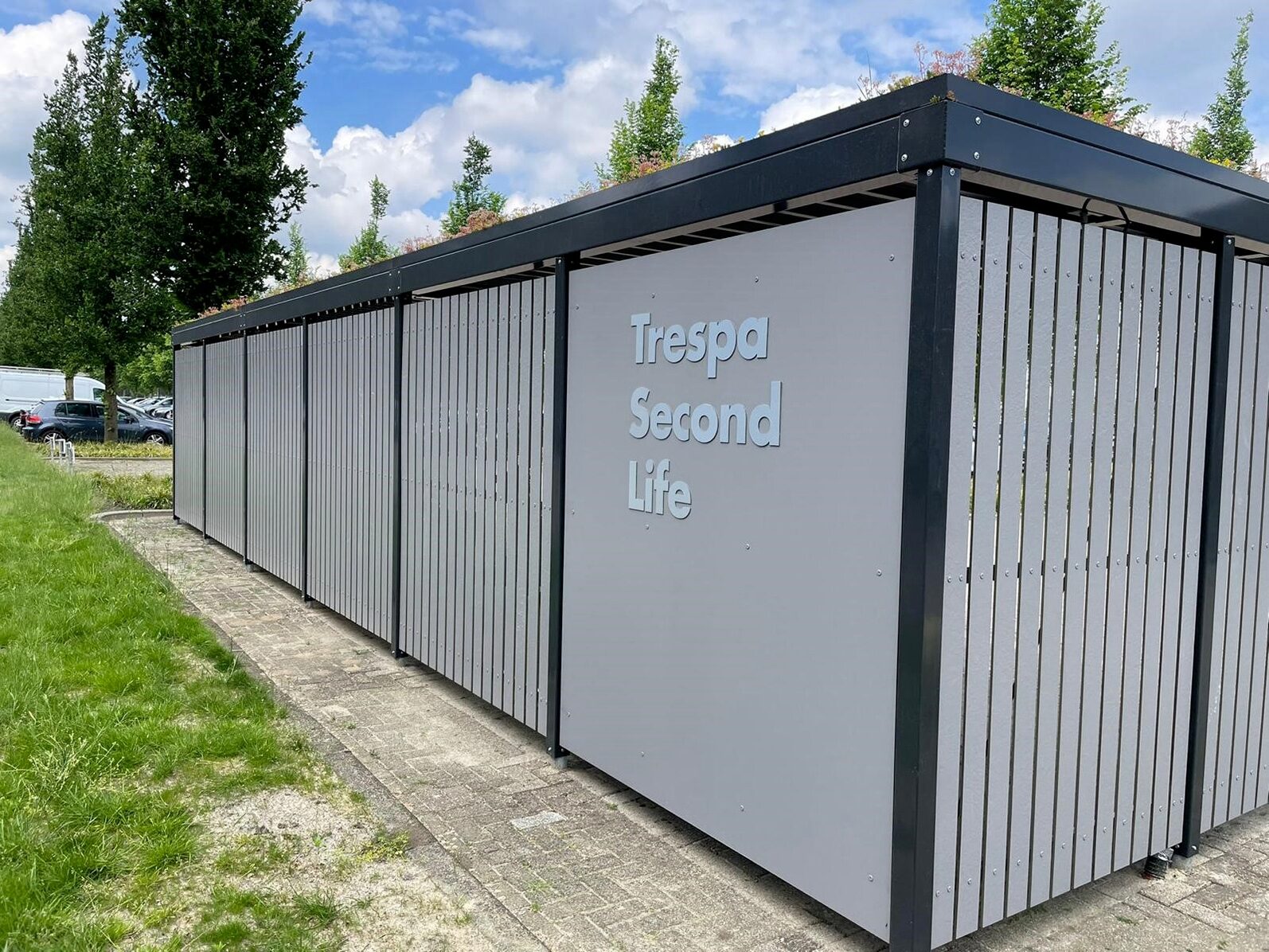
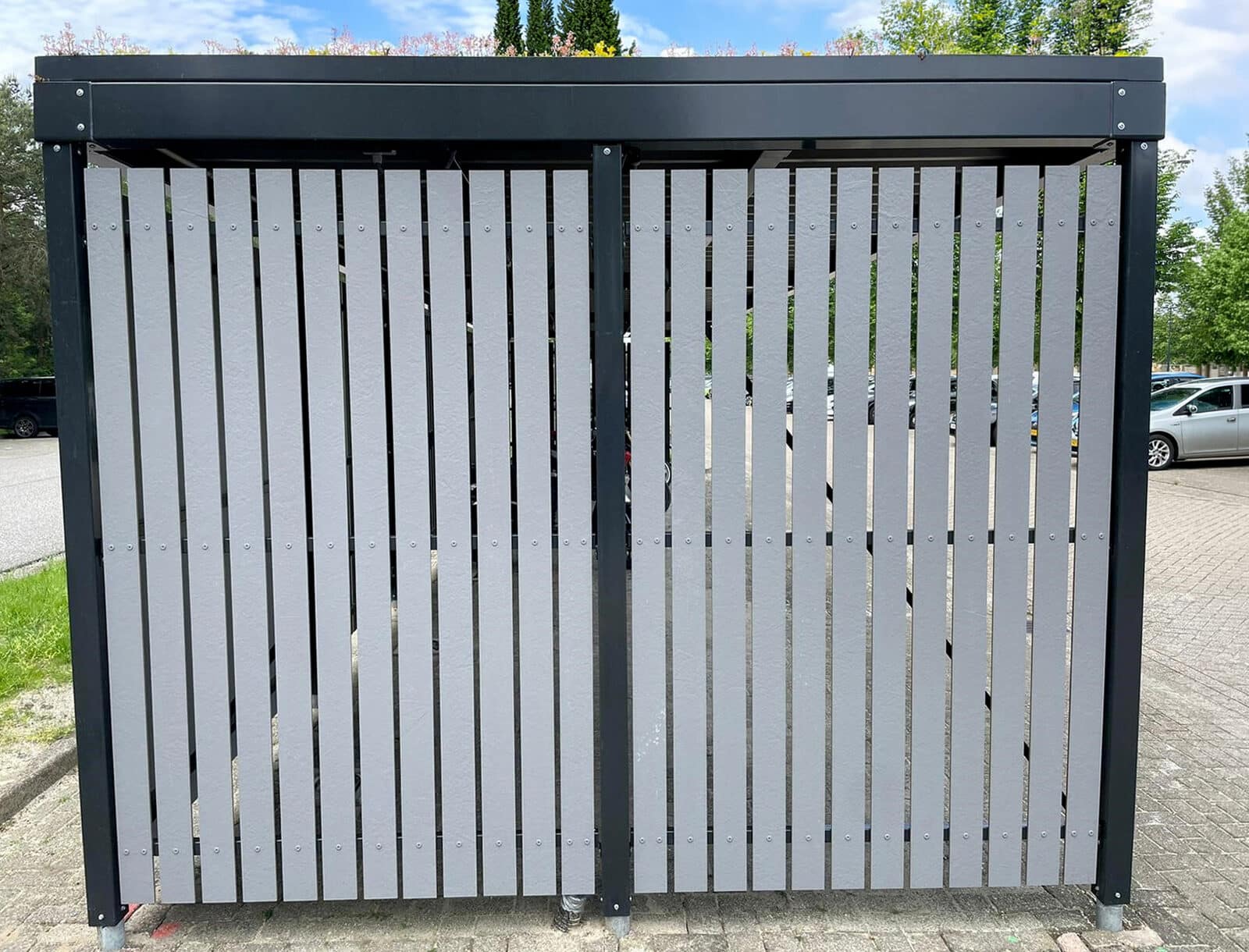
A second element is circularity. Through the Second Life program, Trespa aims to repurpose used panels when they no longer serve their original function. Examples include reuse in bicycle parking facilities, bus shelters, furniture, or other applications for which the material is still suitable. This extends the product’s service life and keeps the carbon stored in the wood fibers sequestered for longer.
According to Wolters, circular design therefore requires a broader perspective than just the initial application. “You design a facade for the present, but materials don’t cease to exist once a building is renovated. If you already know what might happen to them later when selecting materials, you add an extra dimension to the design.”
As such, the Trespa Standard is primarily a call for transparency at a time when architects are increasingly required to justify their choices. Not more claims, but a better understanding of how a material actually performs throughout its entire life cycle. •
Neem dan rechtstreeks contact op met Trespa International B.V..
 Contact opnemen
Trespa International B.V. is a leading innovator in architectural panel materials and is internationally recognized as the leading developer of high quality panels for facade cladding, decorative facades and scientific surface solutions. Since its founding in 1960, Trespa has worked closely with architects, designers, installers, distributors and end users around the world. Trespa's focus is on product development, [...]
Bekijk Bedrijfsprofiel