Platform on architecture, interior design and landscape architecture
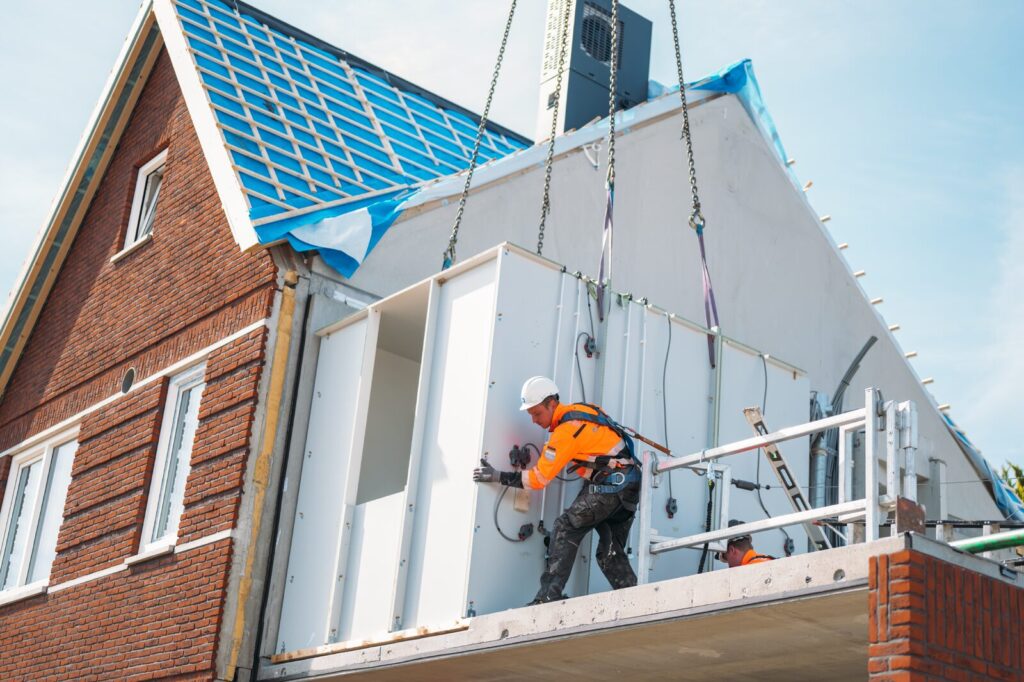
The market for prefab bathrooms is growing—not only in mass-market housing but also in the high-end segment. myCUBY manufactures complete bathrooms in its factory and has been collaborating with Duravit for about a year. Niek Brand, director of De Mors, sees demand increasing because construction must move faster, while skilled workers on construction sites are becoming scarcer.
De Mors began developing myCUBY in 2013. The impetus was a housing concept from its parent company, VolkerWessels, which focused on quality, reducing failure costs, and speed on the construction site. The first prefab bathrooms were produced starting in 2014. "The group gave us the opportunity to produce units for a thousand homes. That was a great start for us to gain experience," says Brand.
Since 2017, myCUBY has also been working for clients outside the group. Currently, about 70 percent of its projects come from the external market. At the factory, myCUBY consolidates tasks that would otherwise be performed by various tradespeople on the construction site. Suppliers must, however, align their products and logistics with this industrial workflow. According to Brand, this is an important part of the collaboration with Duravit.
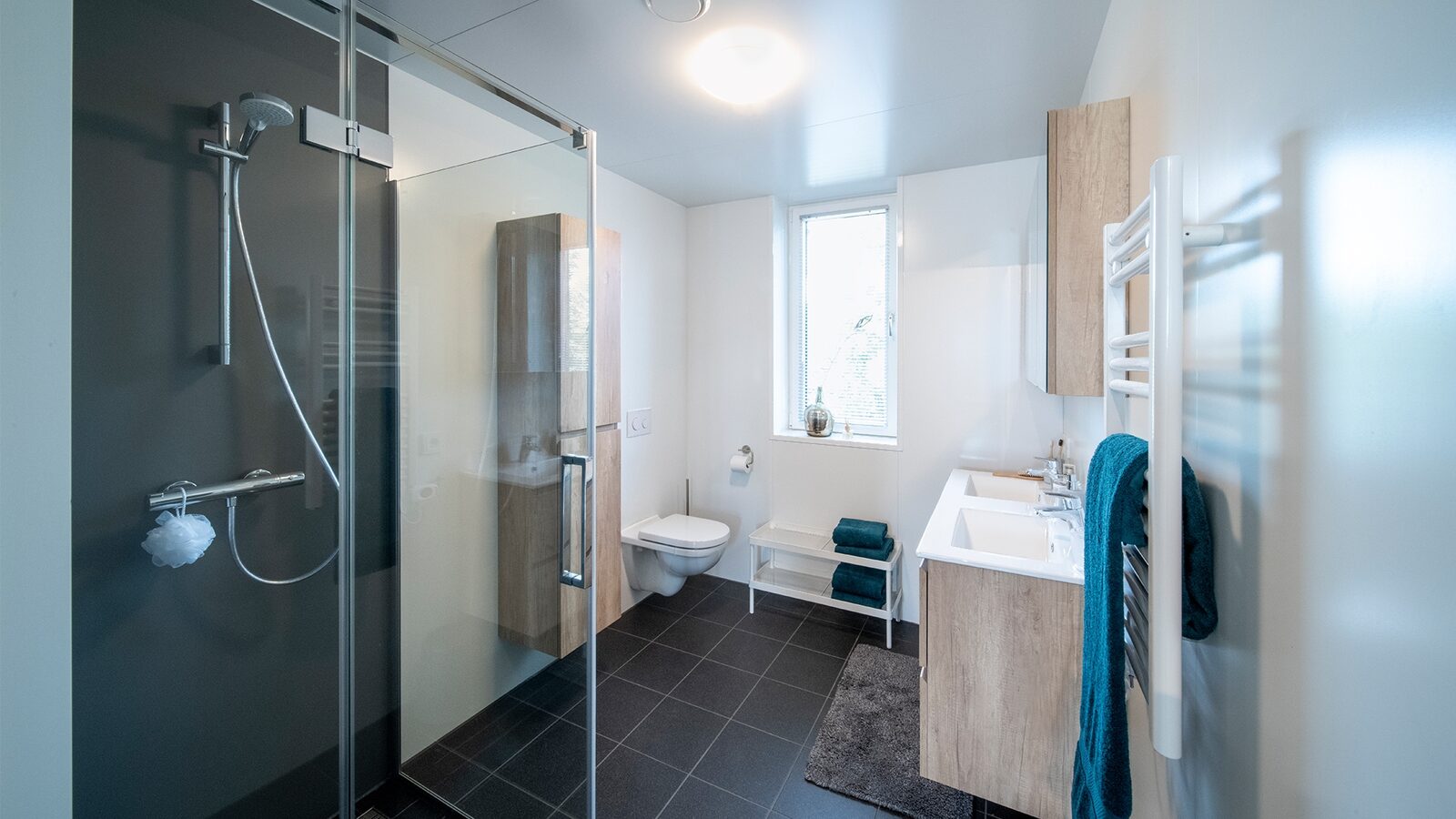
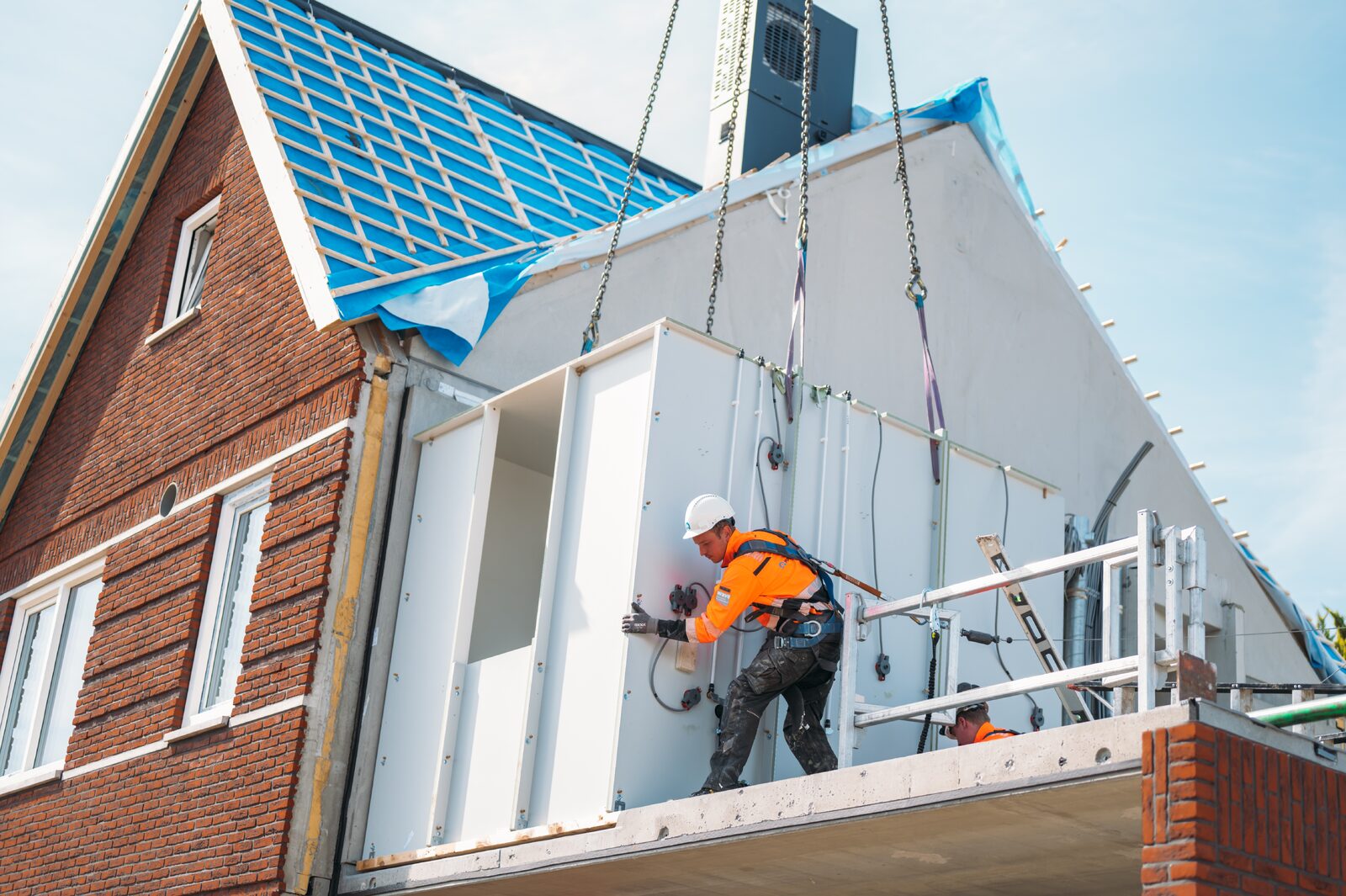
A traditionally built bathroom typically involves six or seven different parties. With prefabricated bathrooms, a large portion of that work is done in the factory. The entire bathroom is delivered to the construction site as a single unit, hoisted into place, and connected to the water supply and drainage systems. This largely eliminates the need for coordination among the various parties on the construction site.
The conditions under which the bathroom is built are also changing. "In our factory, we manufacture under consistent conditions, rather than having different contractors work on the construction site, sometimes in all kinds of weather." This helps ensure quality, especially for bathrooms, which traditionally have a relatively high number of issues that need to be addressed upon completion.
Prefabrication must be incorporated early in the design and construction process. That’s why myCUBY prefers to be involved from the very beginning. "Sometimes, after the engineering phase, the question arises as to whether money can still be saved by using prefabricated bathroom modules. But then you’d have to make so many adjustments that it’s no longer cost-effective." A development process can take two to two and a half years.
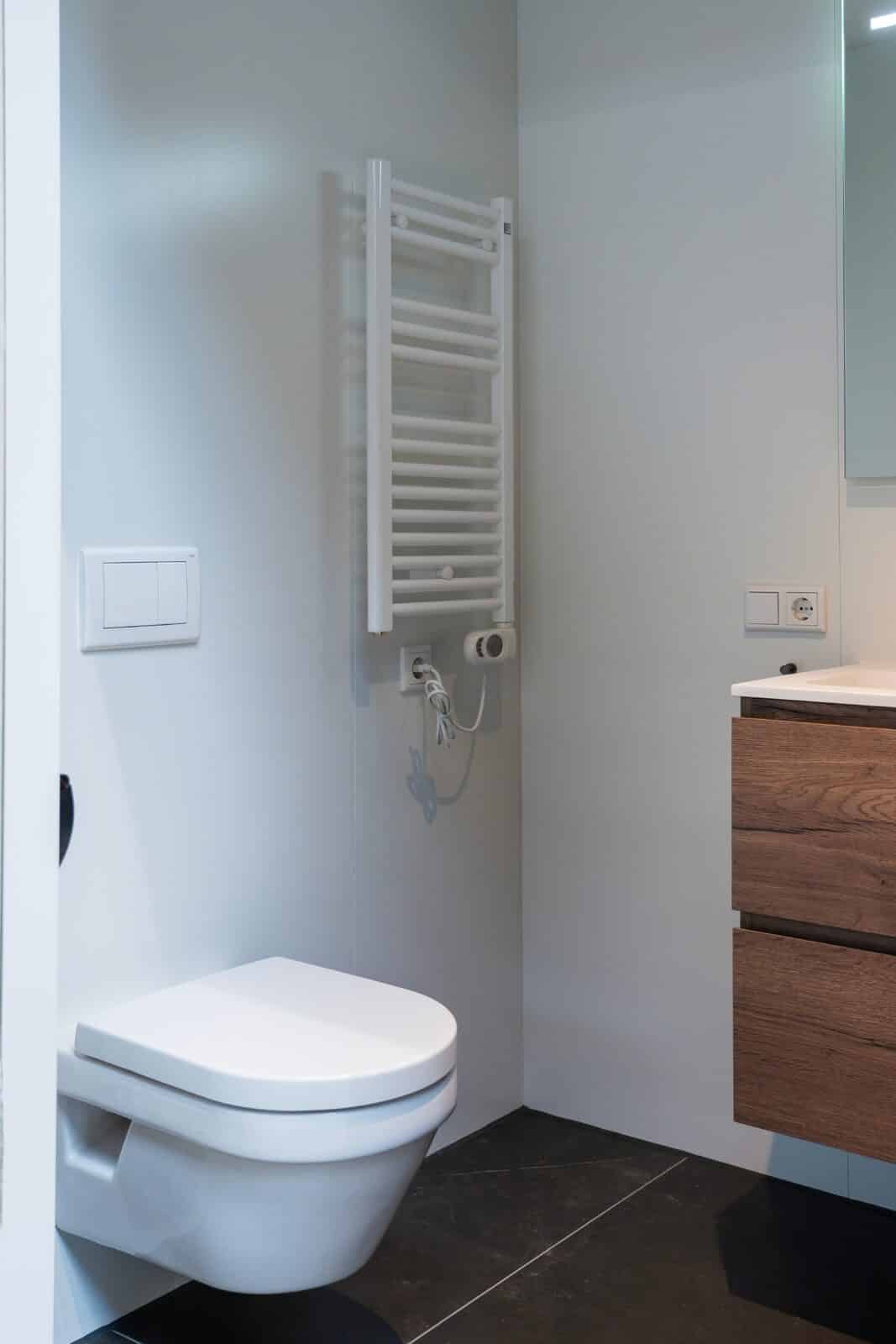
"Prefab" doesn't mean that every bathroom looks the same. myCUBY also supplies bathrooms for owner-occupied homes in higher price ranges. According to Brand, Duravit's product line offers the flexibility to provide different levels and styles within a single production method. "You can offer customers a wide range of choices, while we can continue to work with the same mounting systems and a uniform installation process, for example."
myCUBY also strives for efficiency in the supply chain to the factory, including in logistics and minimizing packaging materials. "For us, the added value lies in a partner who thinks along with us and doesn’t just sell a sink." The partnership with Duravit thus goes beyond simply selecting the bathroom fixtures themselves.
The companies also stay in touch regarding market developments, including trends and the styles that buyers are looking for. For myCUBY, European production is also a factor in the selection of suppliers. According to Brand, Duravit manufactures the majority of its products in Germany, which means production takes place relatively close to home. Looking toward 2030 and 2050, he expects that raw material use, circularity, and sustainability will become increasingly important. "We’ll have to think much more carefully about what we use and how we can continue doing what we do. We’re having that conversation with all our partners." •
Neem dan rechtstreeks contact op met Duravit Netherlands.
 Contact opnemen
200 years of experience In the more than 200 years that Duravit has been in existence, it has developed into a complete bathroom supplier that attaches great importance to quality, design, and technology. By keeping the production process in-house, stable quality can be guaranteed. Timeless modern design Since the 1980s, Duravit has been working with […]
Bekijk Bedrijfsprofiel