Platform on architecture, interior design and landscape architecture
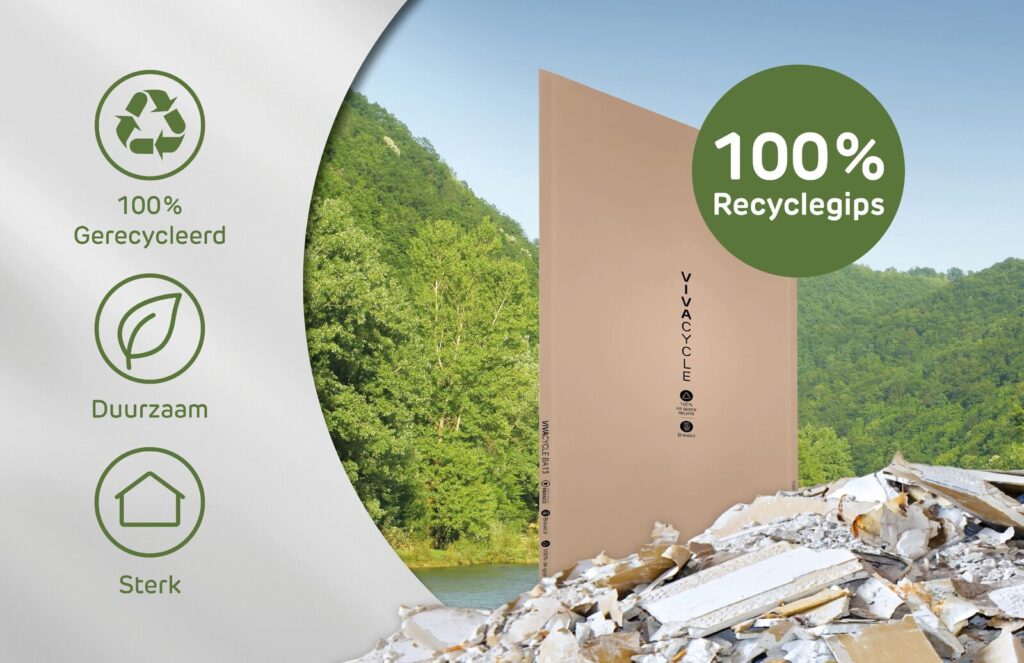
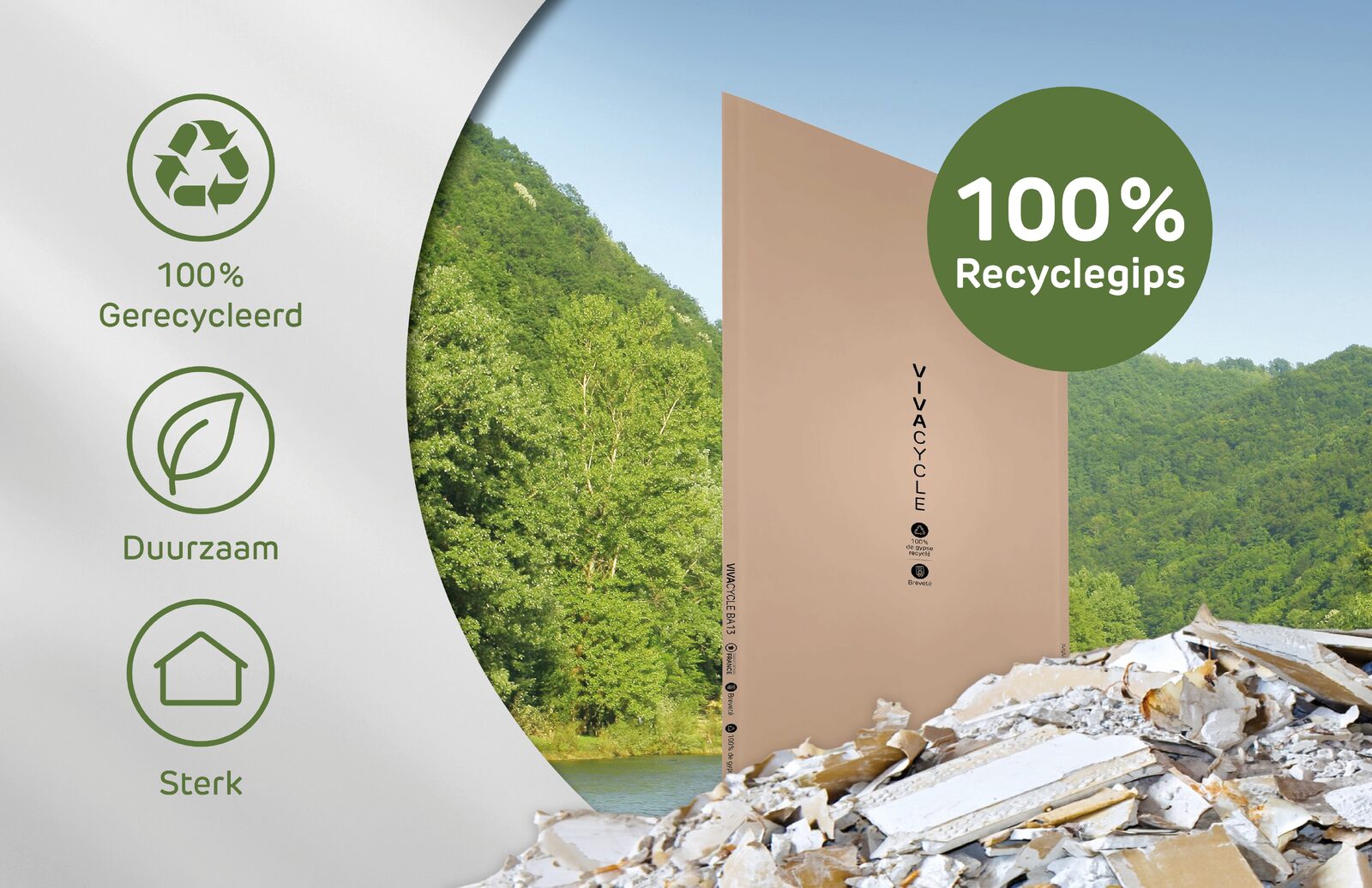
Choosing more sustainable materials without compromising on technical performance: that’s an appealing starting point for architects. With VivaCycle™, Siniat is adding a gypsum board to its product line in which both the paper and the gypsum core are made from 100 percent recycled material. What’s particularly striking is the origin of the gypsum. Rather than production waste, post-consumer material from construction and demolition waste is given a new lease on life as a fully-fledged building panel.
Siniat develops systems for drywall and lightweight finishing, ranging from gypsum boards and joint compounds to the corresponding profiles and fasteners. The brand is part of Etex, the international building materials group that aims to further reduce its environmental impact by 2030. For Siniat, this ambition translates, among other things, into energy and water savings, the reuse of production waste, and a higher proportion of recycled raw materials. With VivaCycle™, this last pillar in particular is being put into very concrete practice.
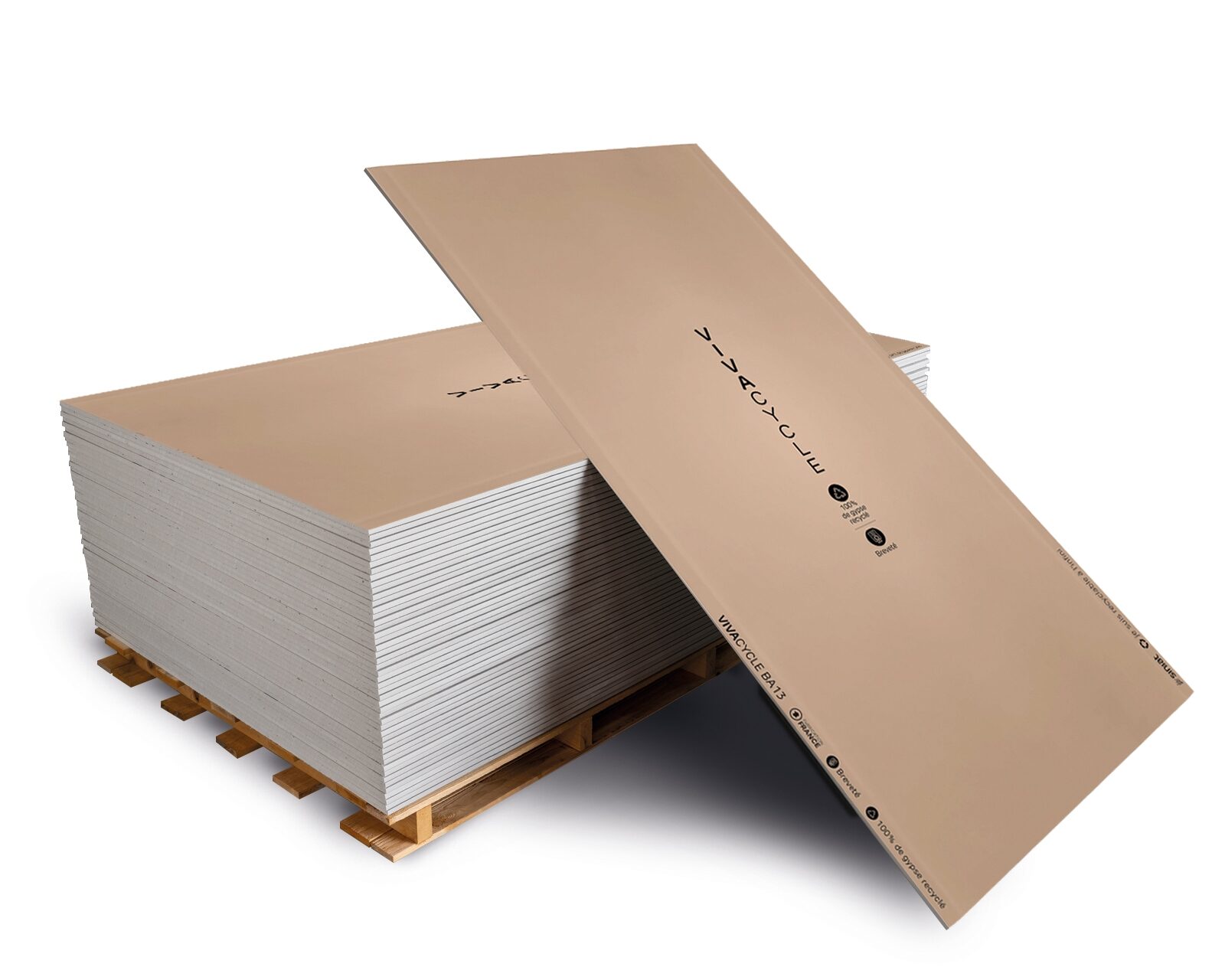
The new standard gypsum board is made of 100 percent recycled material, both on the exterior and in the core. “Gypsum is fully recyclable and can be reused as a raw material,” explains Toon Plompen, Product & Sustainability Manager at Siniat. “The challenge was to turn recycled gypsum back into a panel with a core made entirely of that material. With VivaCycle™, we’ve succeeded.” This makes Siniat the first company on the market to offer a gypsum board with a core made from 100 percent recycled gypsum.
The collected gypsum is returned to the material cycle through specialized recycling companies. These are different types of waste than the cutting scraps or production waste that Siniat has been reusing for some time. Here, material that has already been used in a building is given a new purpose. Primary raw materials are thus replaced by secondary ones, while the new panel can be recycled again after use. This approach brings circularity to life in lightweight partition walls and ceiling systems.
From a technical standpoint, little changes for architects. VivaCycle™ complies with EN 520 and has been tested for fire behavior and bending strength, among other things. The panel also performs acoustically just like a conventional standard gypsum board. “The way it is specified, installed, and used remains the same,” emphasizes Plompen. “You maintain the same performance, with a more favorable environmental impact.”
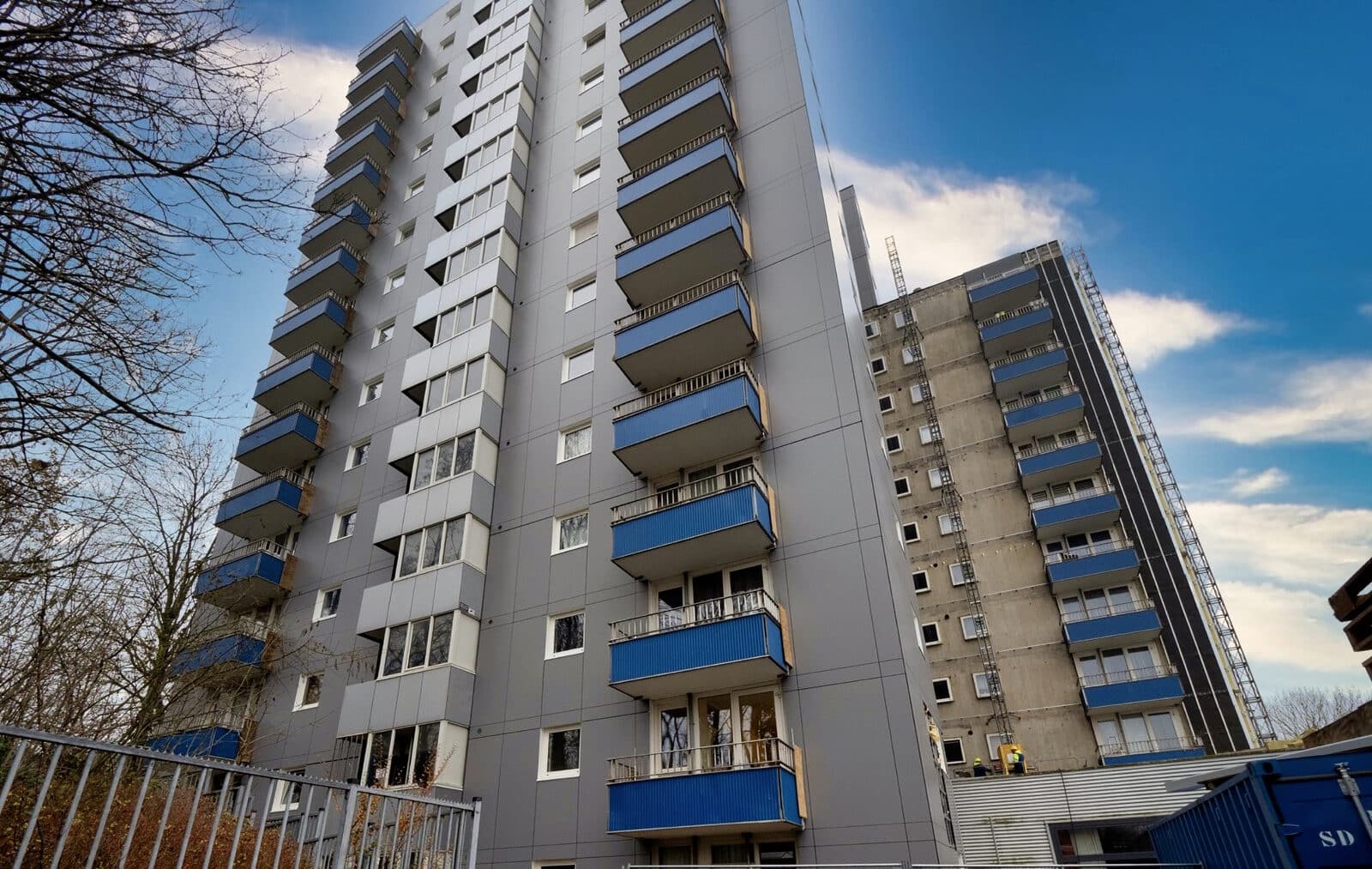
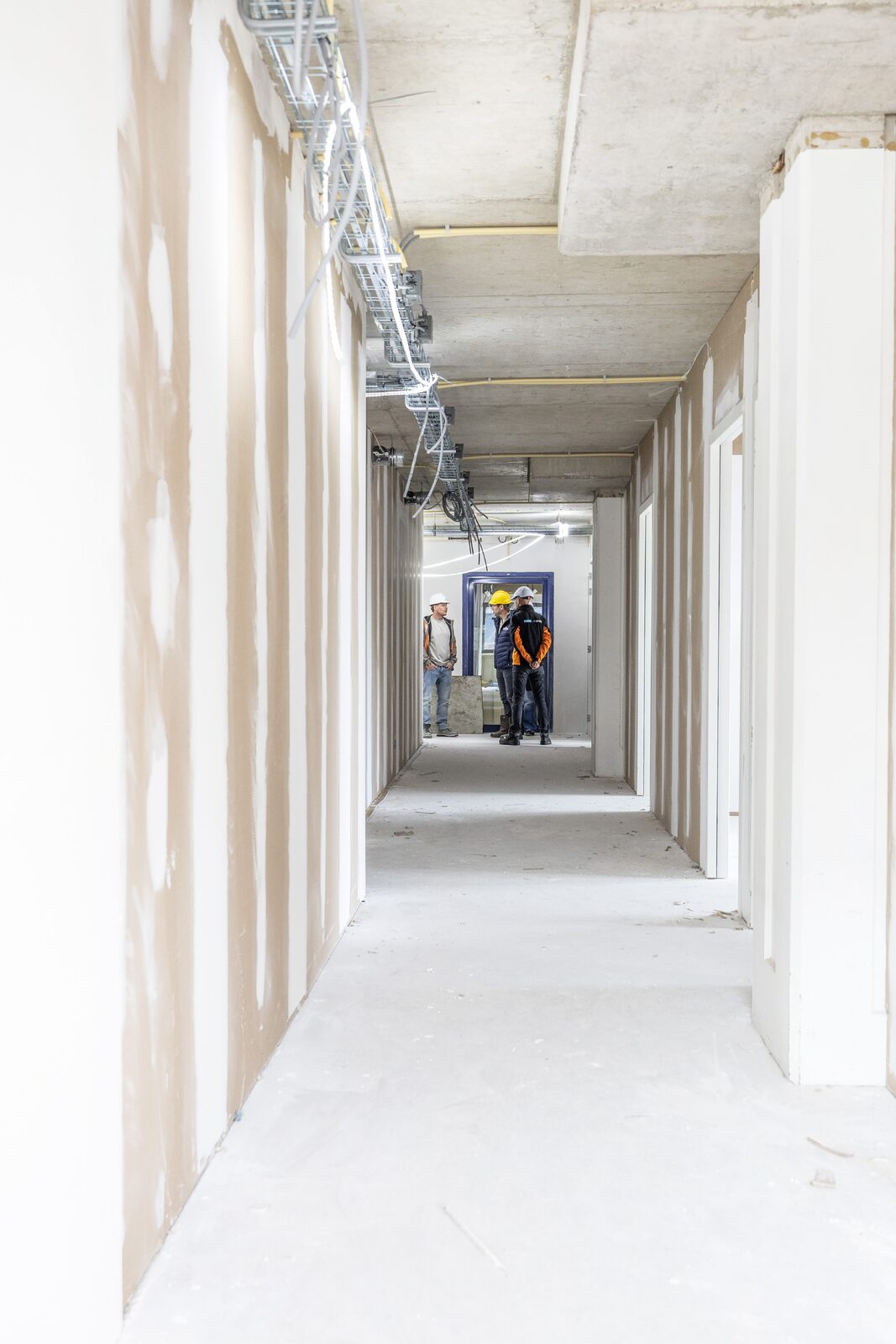
This makes the panel suitable for use in both new construction and renovation projects. In the Netherlands, for example, it has already been used in the renovation of an asylum center that was deliberately designed with a view to future dismantling and maximum reuse of materials.
For projects with specific sustainability goals, the ability to demonstrate compliance is also important. In addition to technical data sheets, VivaCycle™ has an Environmental Product Declaration (EPD) that documents its environmental impact over the entire life cycle. This data supports architects in their sustainability calculations and in compliance with certification systems such as BREEAM and LEED.
According to Plompen, this offers significant added value: “The market is increasingly demanding the same performance with a lower environmental impact. Circularity is becoming a natural choice that architects can already make at the drawing board.”