Platform on architecture, interior design and landscape architecture
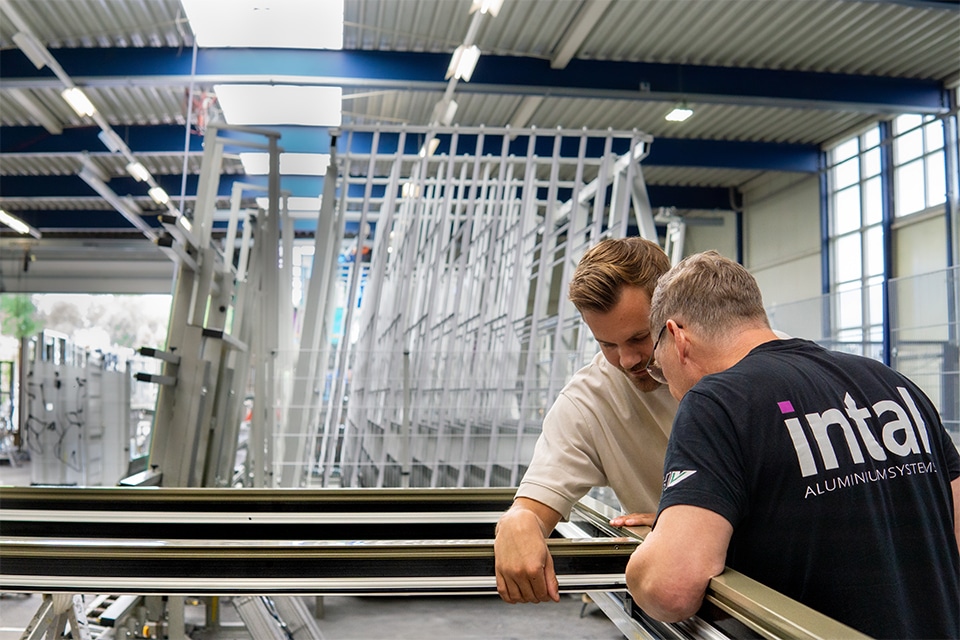
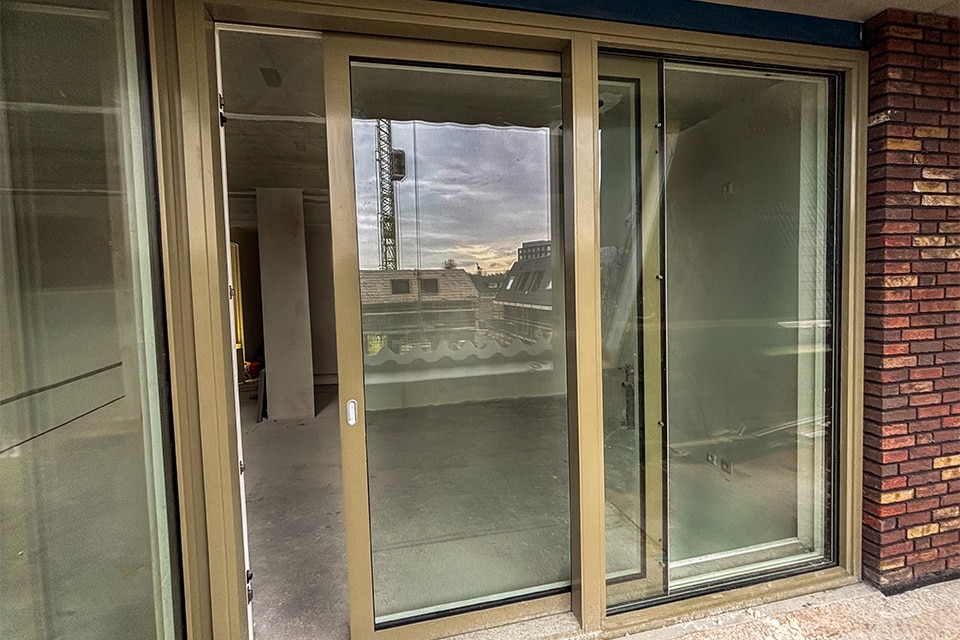
With the arrival of its own sliding panel system, Intal architects now offer a complete aluminum facade solution under one roof. The IT200 is robust, low maintenance and delivers strong performance in terms of insulation, wind and water tightness. In terms of aesthetics, the sliding façade matches other Intal façade systems. Architects thus maintain one facade language: the same look, color and detailing throughout the entire design.
Architects like to work with consistent systems. “Previously they had to rely on a different supplier for a sliding door, nowadays we can supply everything ourselves and coordinate it technically,” says Michel van den Berg, architectural consultant at Intal. “That's the advantage of system house and facade builder in one: clearer, more consistent and more efficient for each building party.”
“Developed by Intal itself, the IT200 fits functionally and visually with our window, door and curtain wall systems,” Van den Berg continued. “So we deliver a complete system from one supplier, with all the benefits that come with it: fewer variations on the building, fewer coordination problems and one point of contact for aesthetics, technology and warranty.” For architects, that means less supplier contact, less mutual coordination and more design freedom within one conclusive system.
Support in the design and specification process also remains in-house. Intal provides BIM models, specification texts and supports detailing, glass specifications and performance based on BENG reports. “We look along with the architect to see what is possible and desirable, including specific requirements for comfort or aesthetics. You draw one system and know it works.”
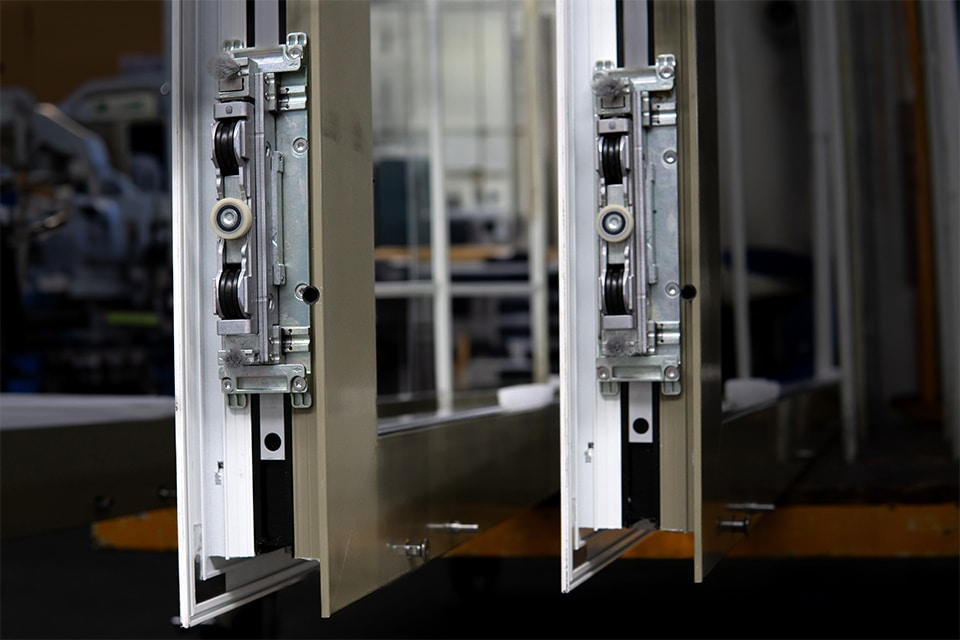
Technically, the IT200 sliding façade is distinguished by the applied parallel sliding system with a unique wheel system: the sash first slides inward and then sideways, instead of moving up and down. “As a result, we press the element all around into the rubber seal,” says Tim Klunder, product developer at Intal. “This provides extremely good performance in terms of air tightness, water tightness (9A) and thermal insulation.”
Its high performance is due in part to its clever thermal design. Two insulators were used in the frame instead of one. Klunder: “This is how we increase the thermal barrier towards the outside. Heat transmission calculations also show strong and real values, which contribute to good insulation values of the building envelope.”
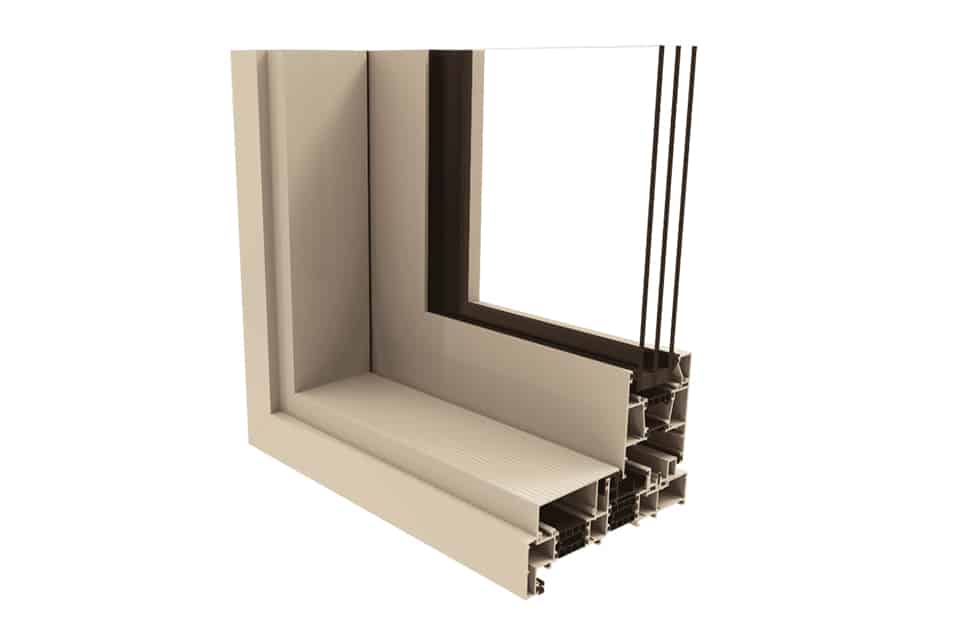
The system is suitable for glass thicknesses up to 58 mm and sash weights up to 400 kg, thus also for triple glazing and large facades (sash size up to 3600 mm high and 3000 mm wide). The IT200 offers aesthetic freedom (large glass areas, clean detailing) with security in terms of performance and comfort. Ideal for urban and acoustically demanding projects where insulation, airtightness and appearance must come together.
Although the sliding door is technically different from window and door profiles, the recognizable Intal signature remains: a technically sophisticated solution with high-quality workmanship and uniform details. Handles, colors and coatings are coordinated with the rest of the system. “Because a sliding door has a different function, the profiles are constructed differently, with wider sightlines and a staggered appearance between fixed and movable parts. This is inevitable with sliding systems,” Van den Berg explains. “But it is assembled and powder coated in the same production process. As a result, it can be perfectly integrated into a broader facade concept.”
The result: a cohesive facade solution that performs technically and is aesthetically correct. “Architects don't have to make any concessions,” says Van den Berg. “They get design freedom and grip on quality, maintenance and warranty - with fewer parties and more overview.”
Intal continues to refine the system based on user experience. Klunder concludes, “R&D works closely with production and assembly partners, allowing us to make quick adjustments. That's what makes us strong: thinking and doing - at the same time.”