Platform on architecture, interior design and landscape architecture
DecoLegno's presence at Architect@Work Amsterdam is dominated by the new texture Taranta from the Italian brand Cleaf. We spoke with Saskia ten Cate, communications manager at DecoLegno, about the background, inspiration and application possibilities of this special surface material.
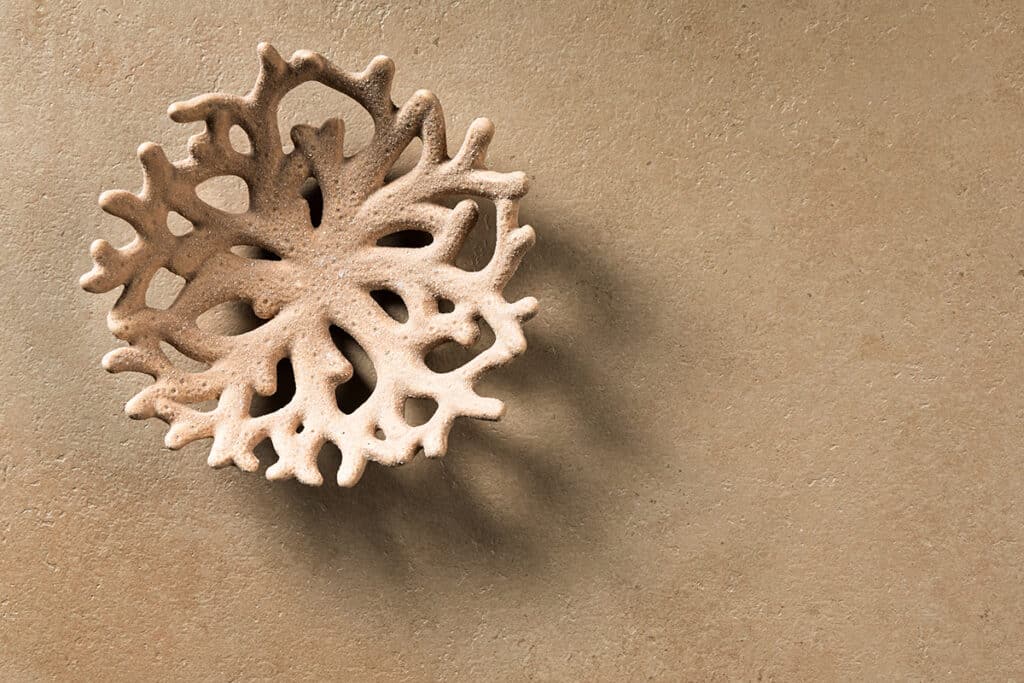
“The Taranta texture, depending on the décor you combine it with, can be experienced very differently,” Saskia says. “Some decors are reminiscent of hammered precious metal, but the entire collection is inspired by natural stone, as mined in the Italian region of Puglia. There also lies the link to the name: Taranta refers to a music festival from that region.”
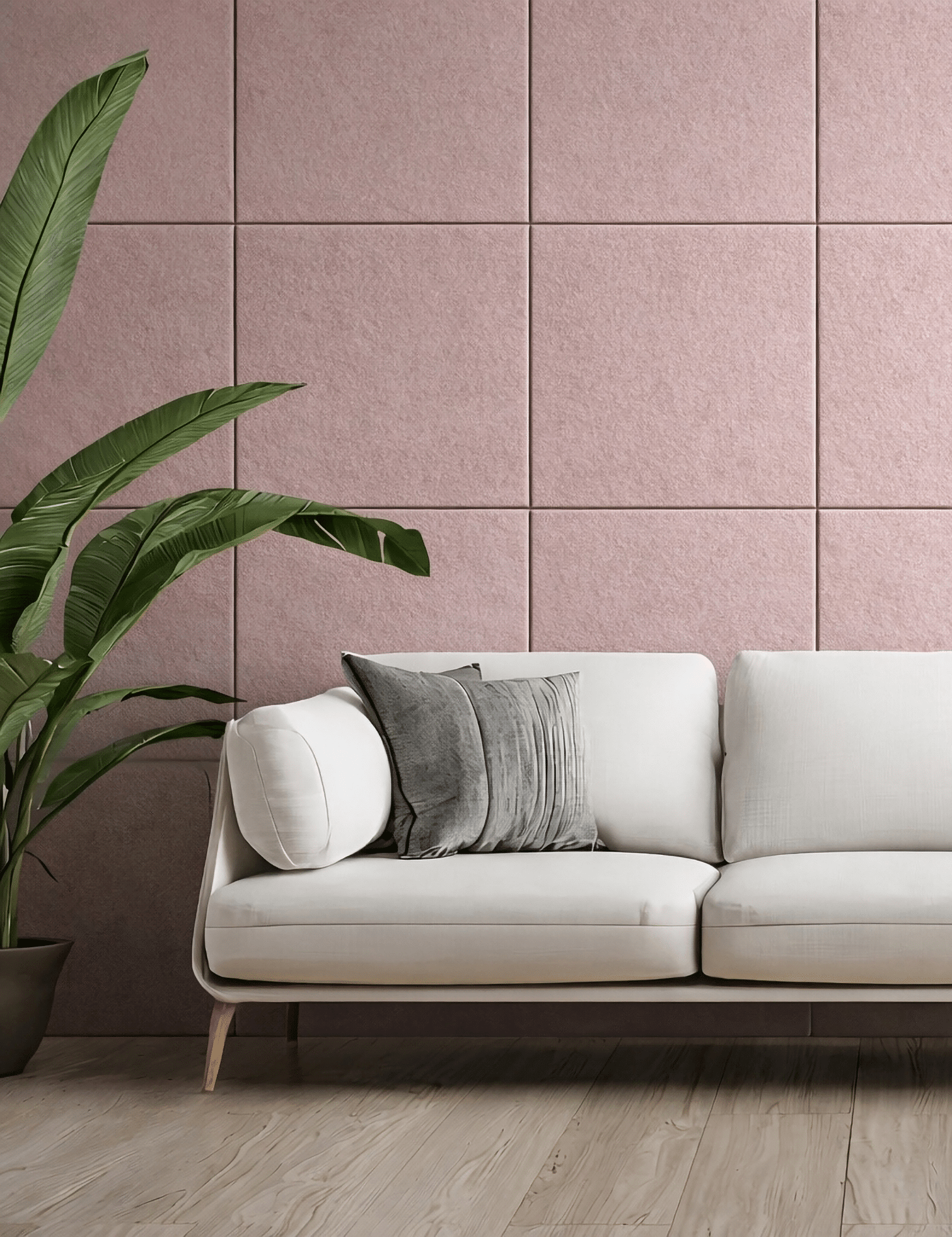
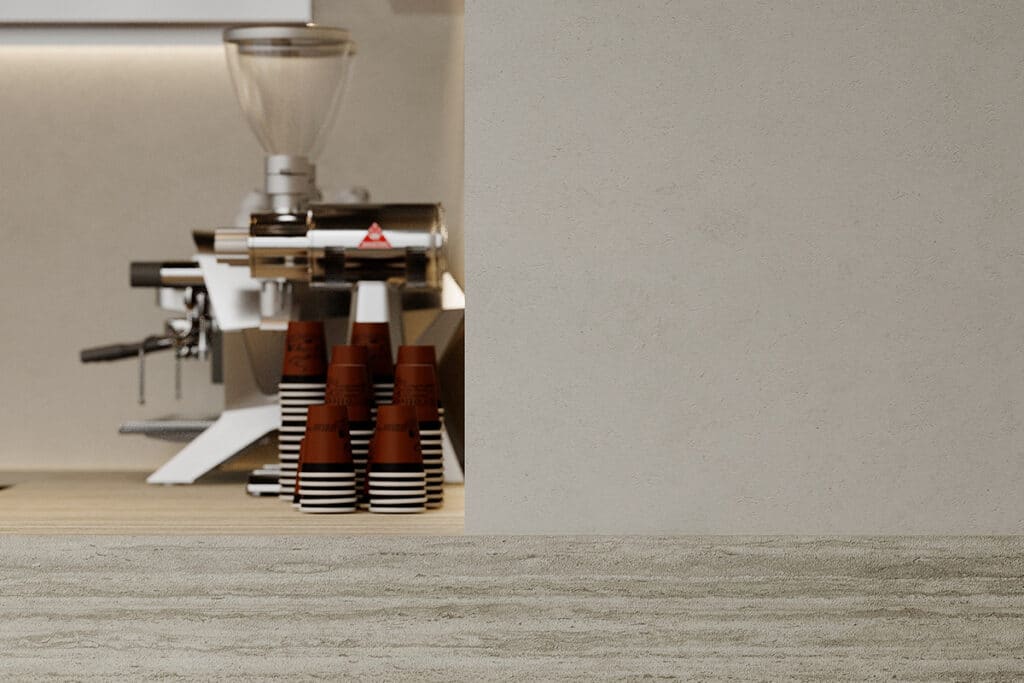
What all variants have in common are the palpable pores in the surface texture. “These enhance the natural character and are in line with the renewed appreciation for brutalist architecture, in which the power of materials such as stone and metal is shown in pure simplicity.”
Cleaf, the manufacturer of Taranta, is deeply rooted in the Italian design tradition. “The family business has been around for 50 years and is constantly inspired by Italian architecture and international trends,” says Saskia. “During the furniture fair in Milan, we saw a renewed focus on concrete and natural stone, and trend watchers are signaling a resurgence of brutalism. In a world that feels increasingly harsh, people are looking for security - materials that evoke that bunker-like feeling of safety. Taranta fits right in with that.”
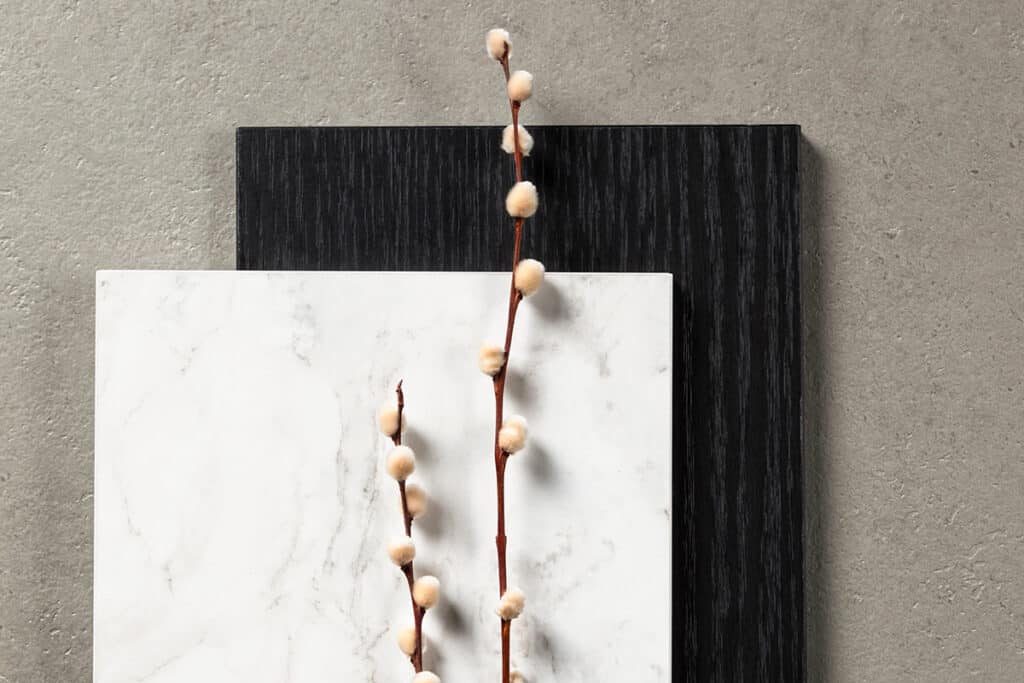
For designers, Taranta offers interesting advantages. “Architects like to work with natural materials, but natural stone has limitations in processing, weight and maintenance,” explains Saskia. “With Taranta you create the look of stone, but in sheet material that is color and shape stable, practical to use and more attractive in price. Moreover, it is true to nature in its appearance, it looks like real stone.”
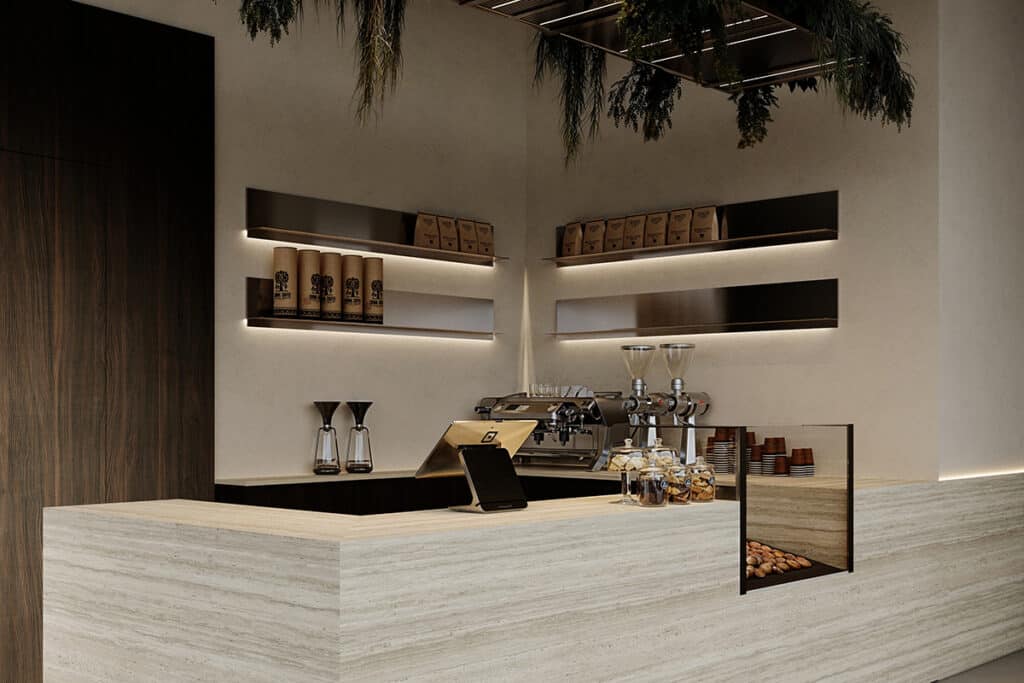
The stone look evokes associations with project interiors such as counters, hospitality and retail. Yet DecoLegno sees the application more broadly. “Especially in store interiors we see many surprising combinations: retailers play with contrasts to attract attention. But Taranta also impresses in residential kitchens, cabinets or wall coverings. The structure lends itself perfectly to monochrome designs, where the material really comes into its own. With material also combines well with materials such as glass, metal and textiles. The play of contrasts (smooth with rough, shiny with matte) makes the material extra exciting.”
DecoLegno is celebrating its 15th anniversary this year and during that time grew to a company with 68 employees. “That growth shows that we are well attuned to the needs of the Dutch interior design market,” says Saskia. “Cleaf distinguishes itself with structures that evoke perception. For the processor, it is also a smart choice: practical, durable and versatile.”
What can visitors expect from the booth? “In everything we do, we want to surprise,” says Saskia. “Space at Architect@Work is limited, but that challenges us to be creative. We have designed a skyline that refers to urban architecture and to brutalism.”
Taranta is available in a variety of decors, from light sand tones to dark brown and variants with travertine looks. There is also an HPL variant, ideal for applications such as tables and rounded shapes. “Visitors who come to experience Taranta will be surprised by its layering,” concludes Saskia. “It is a material that stimulates the senses and at the same time has practical application in the work of architects and interior designers alike.”
Neem dan rechtstreeks contact op met DecoLegno.
 Contact opnemen
Founded in 2010, DecoLegno is an exclusive supplier of decorative board material of the Cleaf, Durasein® and HPL Specials brands. We help interior architects, designers, builders and furniture makers create and develop quality, aesthetic, sustainable and budget-friendly interiors and furniture concepts. With our extensive collection of decorative board materials, we offer both inspiration and practical solutions for any custom concept.
Bekijk Bedrijfsprofiel