Platform on architecture, interior design and landscape architecture
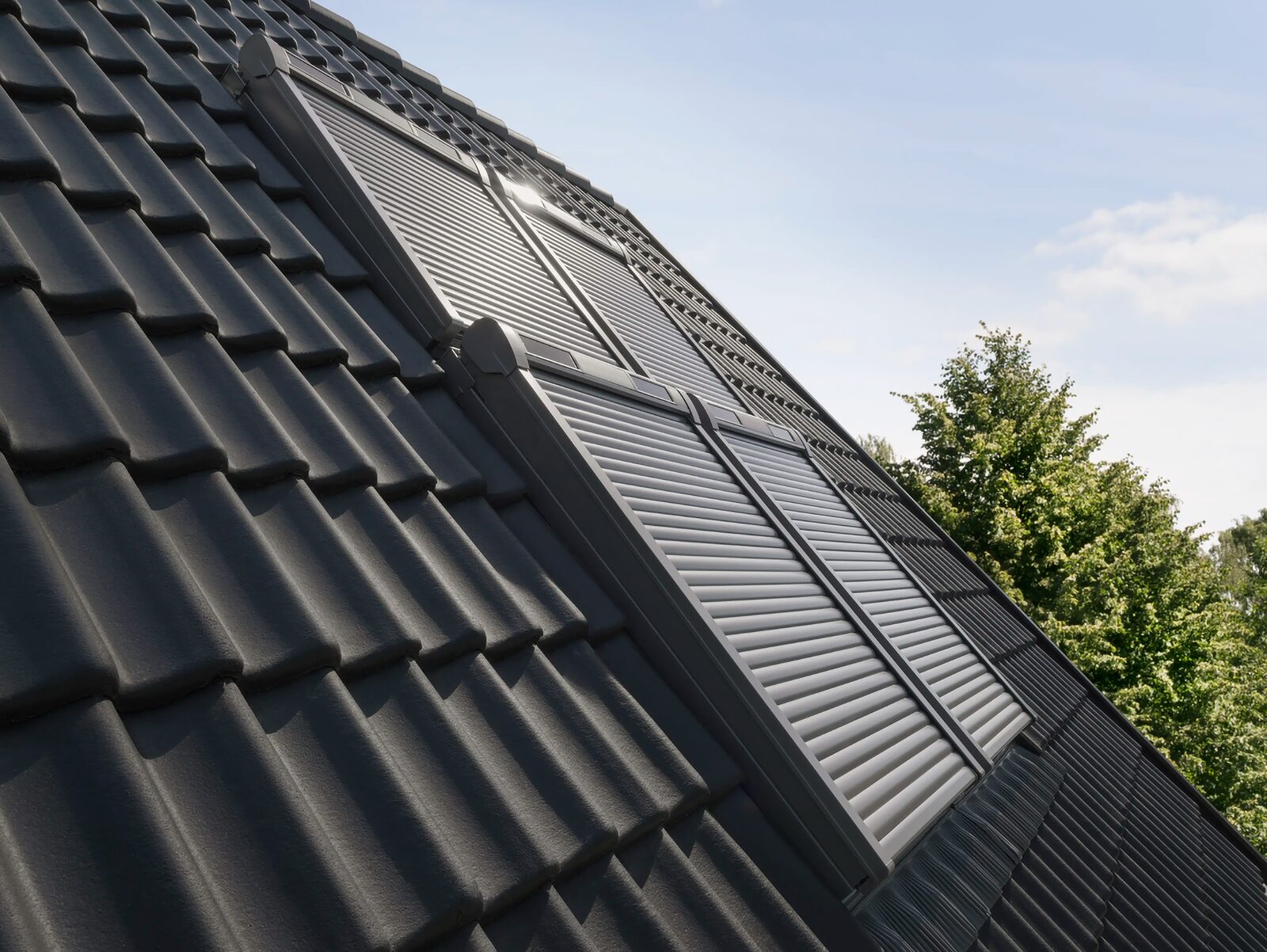
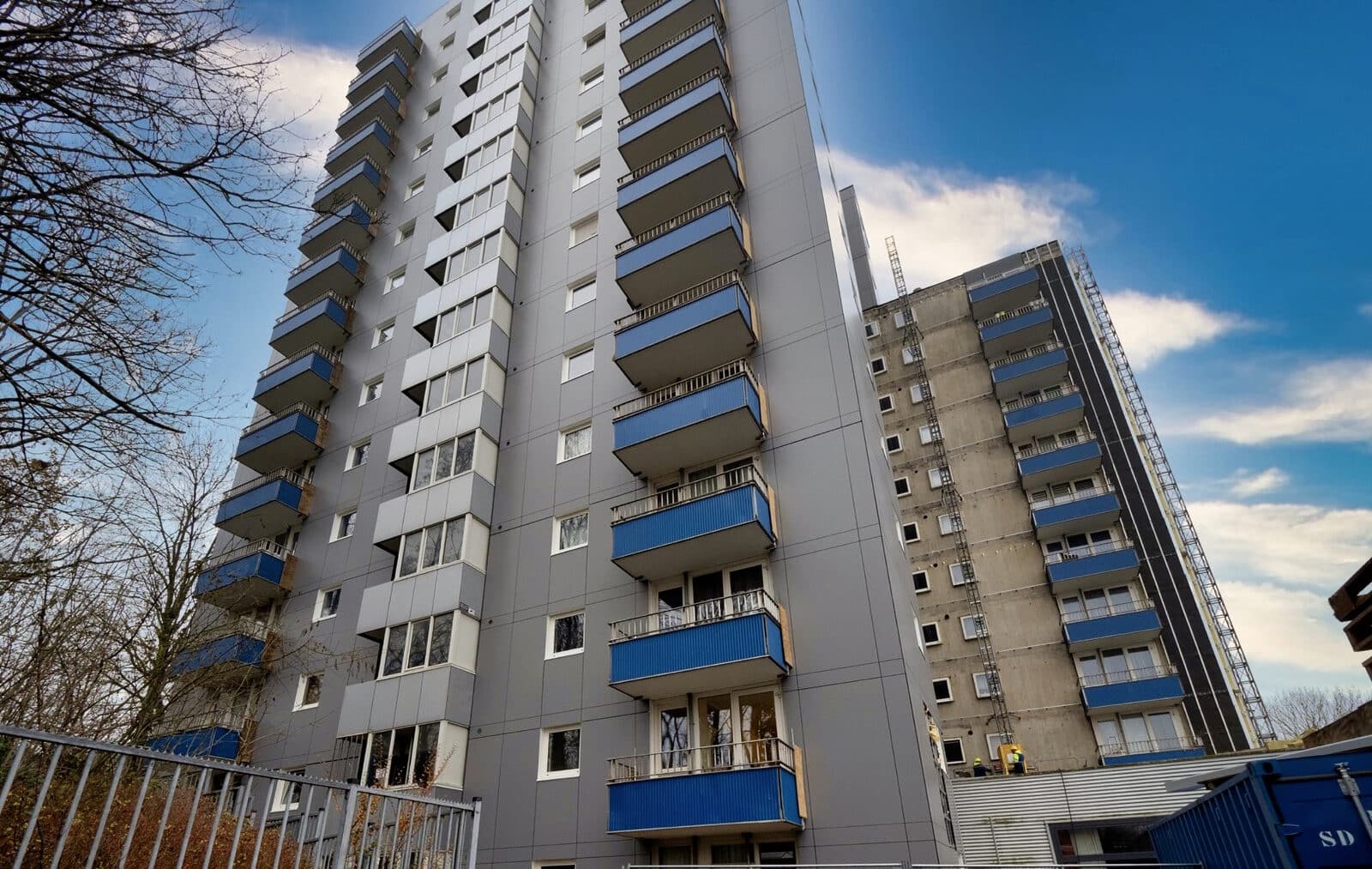
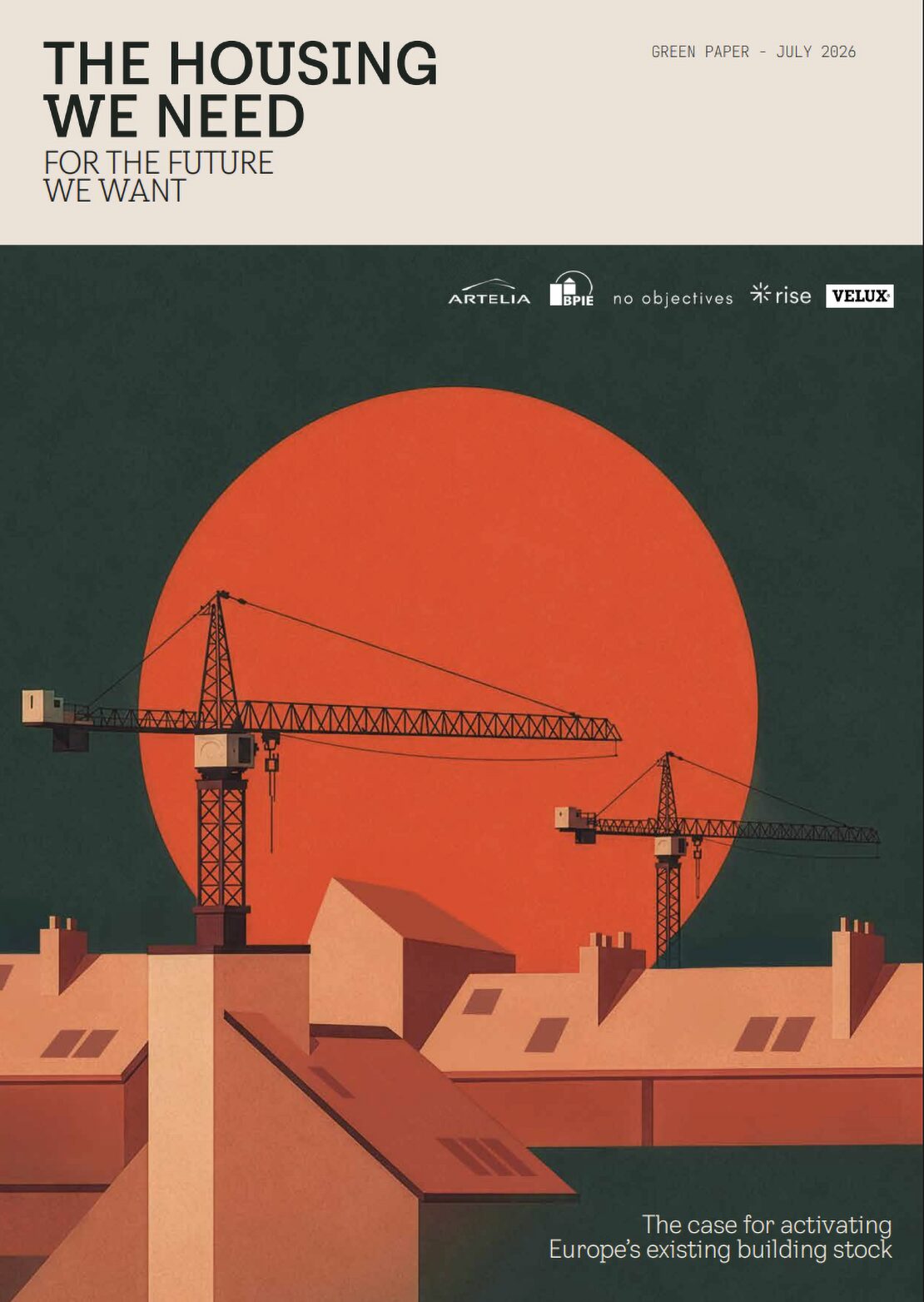
Europe is facing a major housing challenge, even though a significant part of the solution may already have been built. With Re:Living and the Green Paper *The Housing We Need for the Future We Want*, VELUX is shifting the focus from new construction to the possibilities within the existing building stock.
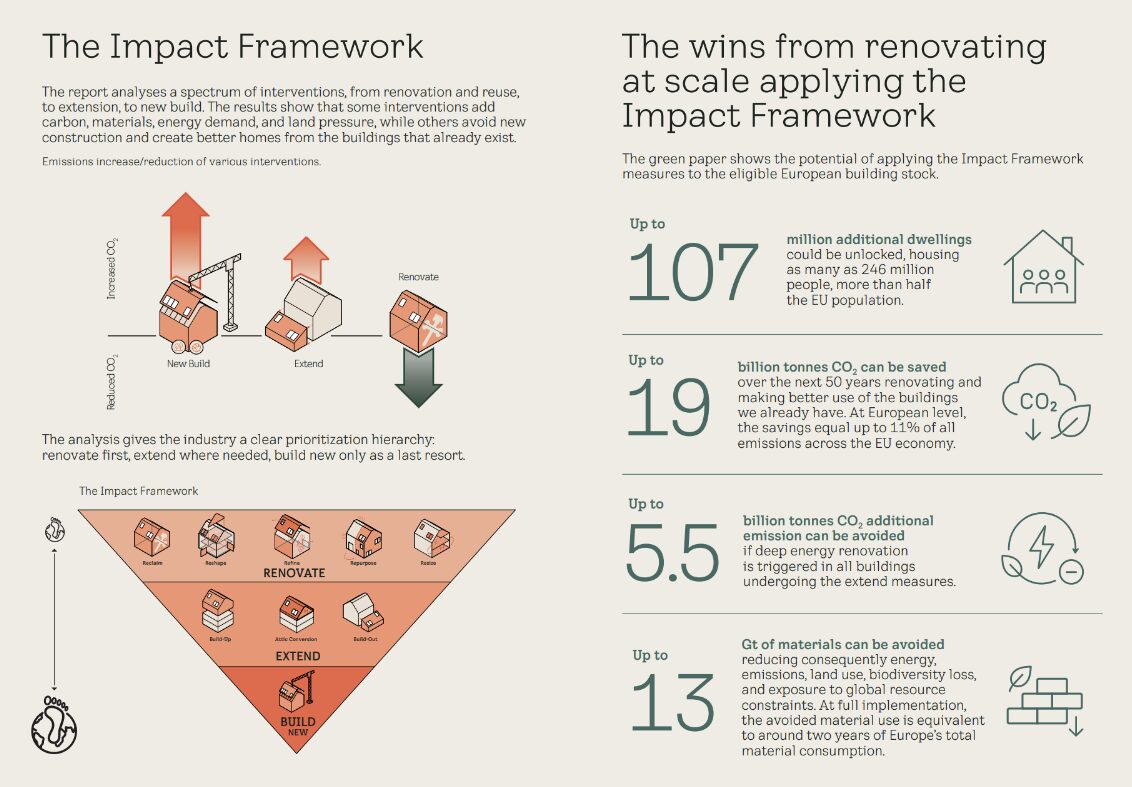
According to the researchers, Europe could potentially create 107 million additional homes through renovation, repurposing, and better use of existing buildings. VELUX, known worldwide for its skylights, daylighting solutions, and ventilation products, among other things, developed the Green Paper in collaboration with BPIE, Artelia, RISE Regenerative Spatial Systems, and no objectives.
The publication serves as the research foundation for Re:Living, the next step in VELUX’s Living Places program. While that program previously focused on new construction with a lower environmental impact, the focus is now shifting to existing buildings. This goes beyond just CO₂ emissions. Material use, biodiversity, affordability, and a healthy indoor climate also play a role.
With Re:Living, VELUX aims to turn this broad approach into a scalable strategy. To this end, the company is collaborating with IBA’27, DGJ Architektur, and Transsolar KlimaEngineering, among others. The approach consists of four components: Think, Scope, Design, and Cover. They focus, in that order, on the value of renovation, the potential already offered by buildings and materials, appropriate interventions for transformation, and preserving and reusing materials and energy as much as possible.
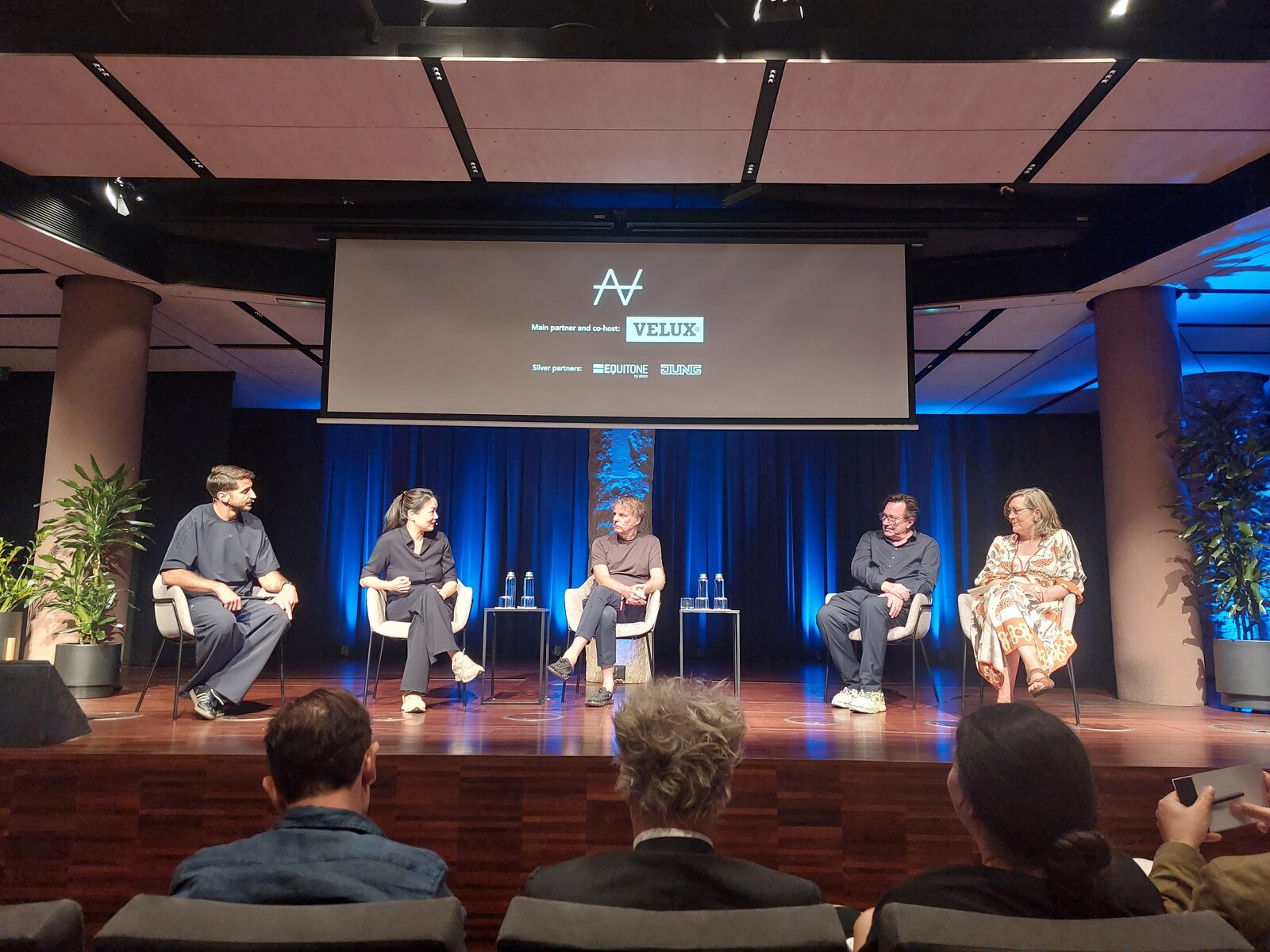
VELUX presented Re:Living in Barcelona in early July. The company deliberately tied the press event to a special edition of Architects, not Architecture, of which it was the main partner and co-host. In the auditorium of La Pedrera—Casa Milà, Winy Maas of MVRDV, Xu Tiantian of DnA_Design and Architecture, and Arno Brandlhuber of bplus.xyz/HouseEurope! took the stage.
It was precisely the differences between their stories that created an interesting connection with Re:Living. Maas’s reasoning is strongly rooted in the potential that analysis, experimentation, and design can bring. Xu Tiantian takes a more explicit approach based on what a place already possesses. Her small-scale, site-specific interventions build upon existing social, cultural, and economic structures. Brandlhuber takes that idea even further: for him, regulations, ownership, and preventing demolition are also part of an architect’s scope of work. “You can be successful without building a building,” Brandlhuber summarized his position during the evening.
These different approaches address precisely the question that VELUX raises with Re:Living. If the existing building stock can indeed meet a significant portion of future housing demand, it will change not only what we build, but also how designers approach a project. The first question will then be less about what can be added, and more often about what qualities and possibilities are already present.
VELUX posed the following question for the Barcelona edition: “What if the future is already built?” Re:Living offers a possible approach to this, with preservation, adaptation, and reuse more explicitly serving as the starting point. Thus, the discussion is not only about scaling up renovation but also about how much new architecture a project truly requires.