Platform on architecture, interior design and landscape architecture
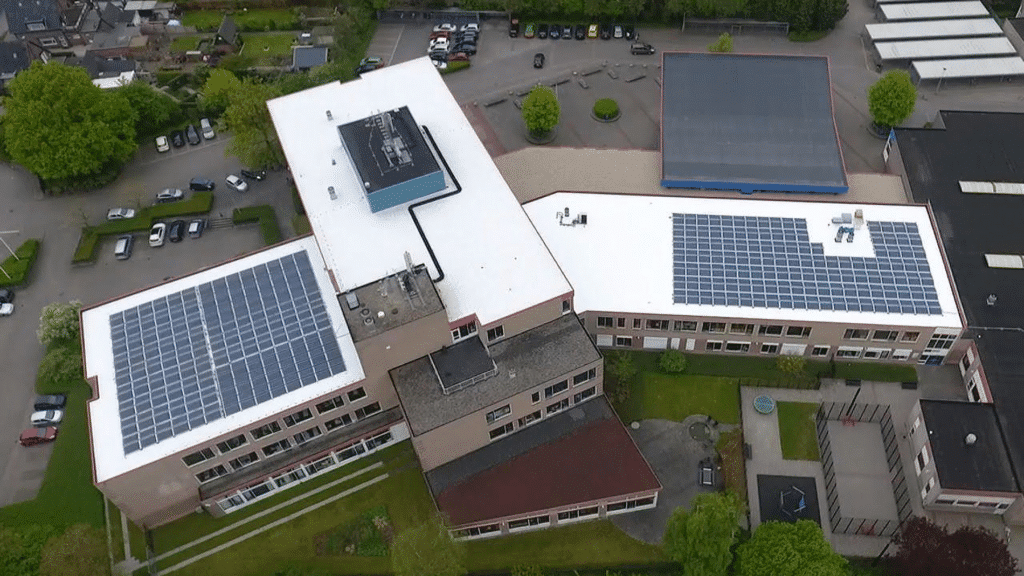
A Different Perspective on Flat Roofs
Many measures to combat summer heat take effect only after the heat has already built up. Roofclix takes a different approach: directly reflecting solar radiation. During Architect@Work in Rotterdam, the company showed architects what this could mean for roofs, buildings, and the surrounding area.
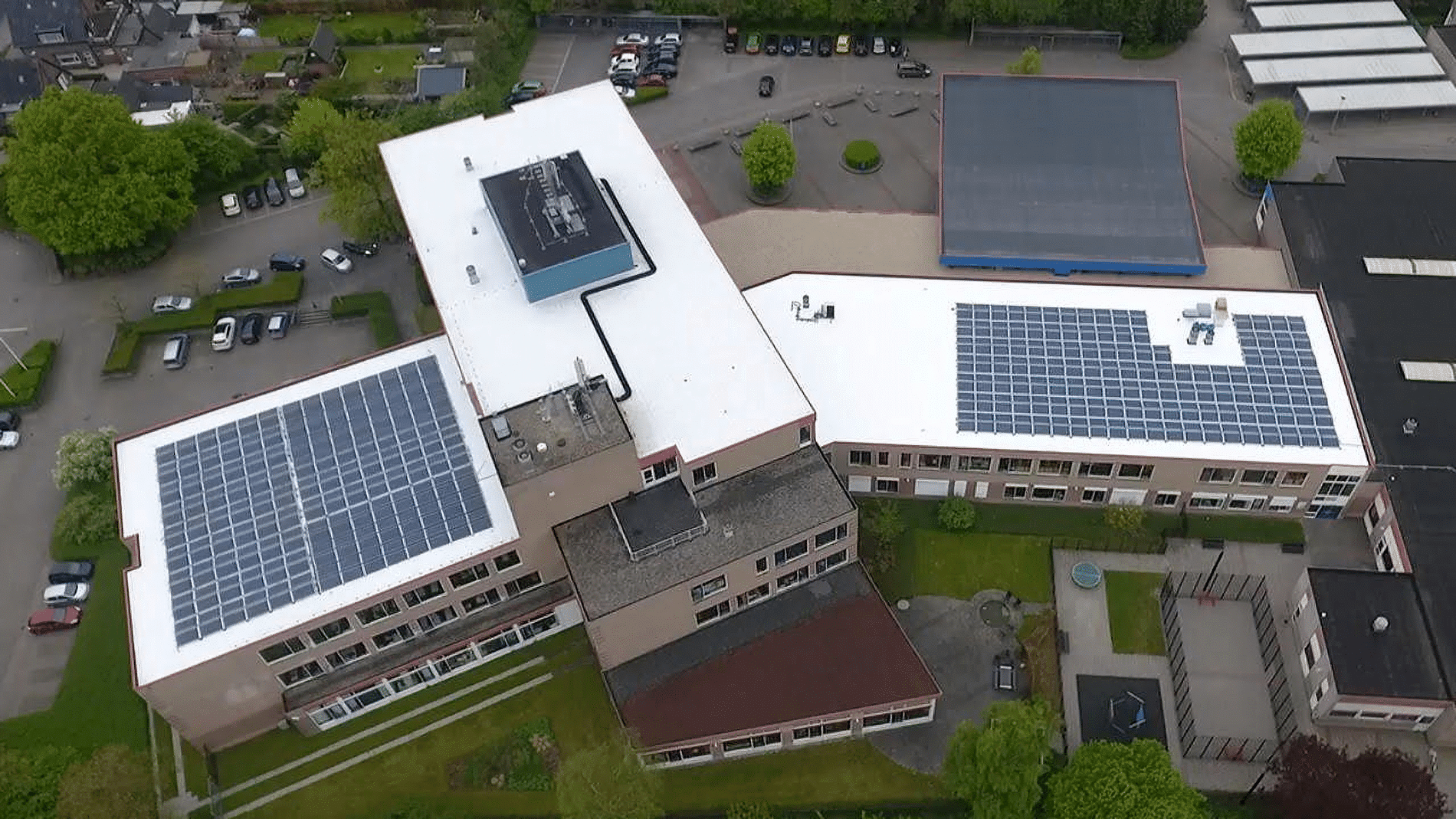
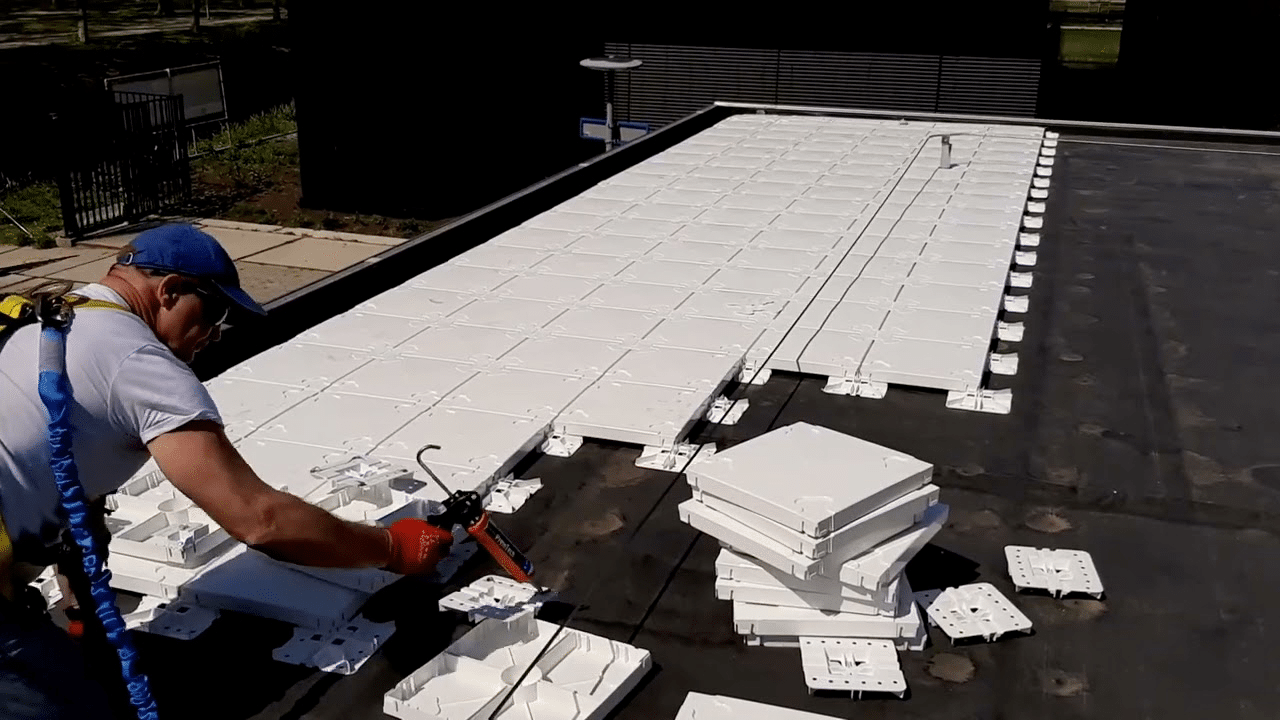
“Sunlight isn’t hot until it hits a surface,” explains founder Ton van Ulden. “The same thing happens on a roof. We ensure that a large portion of that radiation is immediately reflected back, so the heat doesn’t build up there.” Roofclix, developed by Sustainable Durable Systems (SDS), does this using white, reflective plastic tiles that are installed over the existing roof covering. The ventilated air layer underneath helps dissipate the remaining heat.
The system has been around for some time and has been implemented in places such as Borne and Aruba. It is also being tested in practice at The Green Village on the TU Delft campus. For Roofclix, Architect@Work was primarily an opportunity to bring the concept more prominently to the attention of architects and specifiers. “It captures the imagination, especially when you consider its impact on the indoor climate,” says Jan Huisman. He is gradually taking over responsibilities from Van Ulden, who will remain involved with the company.
The reflective effect depends in part on a clean surface. The tiles are therefore sloped on four sides, allowing rainwater to carry away dirt. According to Van Ulden, this is where it differs from simply painting existing roofing white. On a flat surface, dirt can accumulate more easily, which reduces reflectivity.
Roofclix currently sees opportunities primarily in public real estate, such as schools and healthcare facilities. According to Van Ulden, investments in these sectors are often viewed from a longer-term perspective, and a comfortable indoor climate is a major consideration. Reduced heating can also limit the need for cooling. At the same time, the tiles shield the underlying roofing material from UV radiation and high temperatures—factors that contribute to the deterioration of materials such as bitumen.
For broader implementation, independent validation of these performance results is an important next step. This process has been underway for some time. At The Green Village, the system is being tested in practice, and a validation study was previously conducted with support from the European Regional Development Fund (ERDF). Research has also been conducted into how the application can be better aligned with, among other things, building specifications and the framework for the energy performance of buildings.
This step is important for architects and clients. They must not only be able to explain what a measure does, but also be able to substantiate its performance and factor it into their evaluation of different solutions. Furthermore, existing subsidy programs do not always align with new measures to combat heat stress.
Roofclix is therefore continuing to work on external validation and alignment with European initiatives. According to the company, this involves partners such as Buildwise and TU Delft, and opportunities related to Climate-ADAPT and Horizon Europe are being explored. Recognition within such initiatives could ultimately also help make the technology’s adoption and funding more accessible.
After years of product development, the challenge has thus shifted. It is no longer just a matter of demonstrating that the system is effective, but of documenting that effectiveness in such a way that architects and clients can fully incorporate it into their projects.