Platform on architecture, interior design and landscape architecture
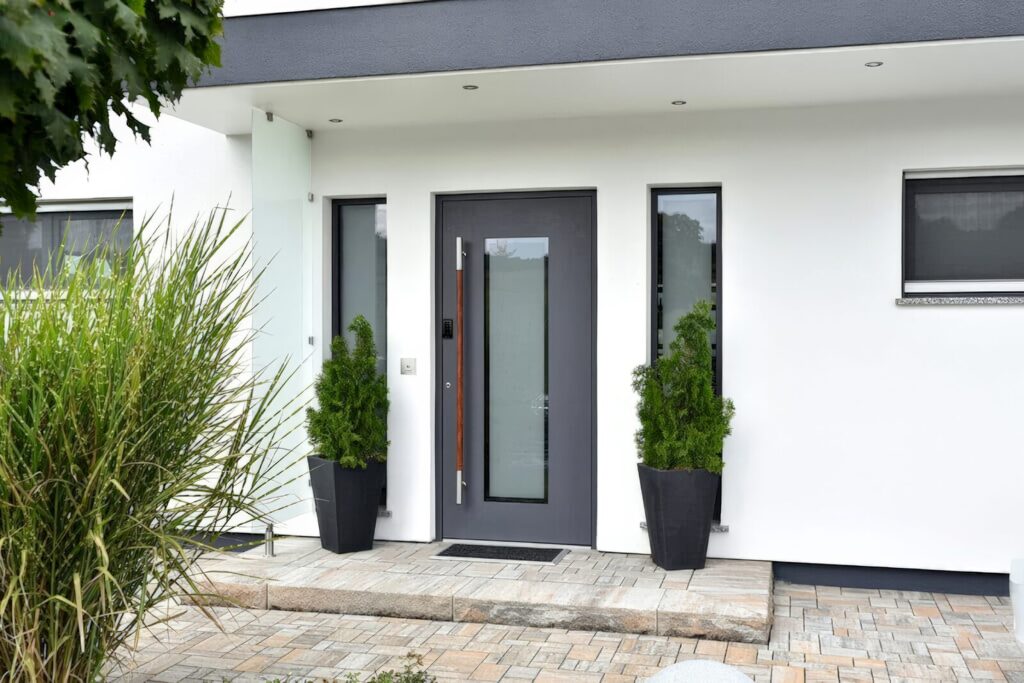
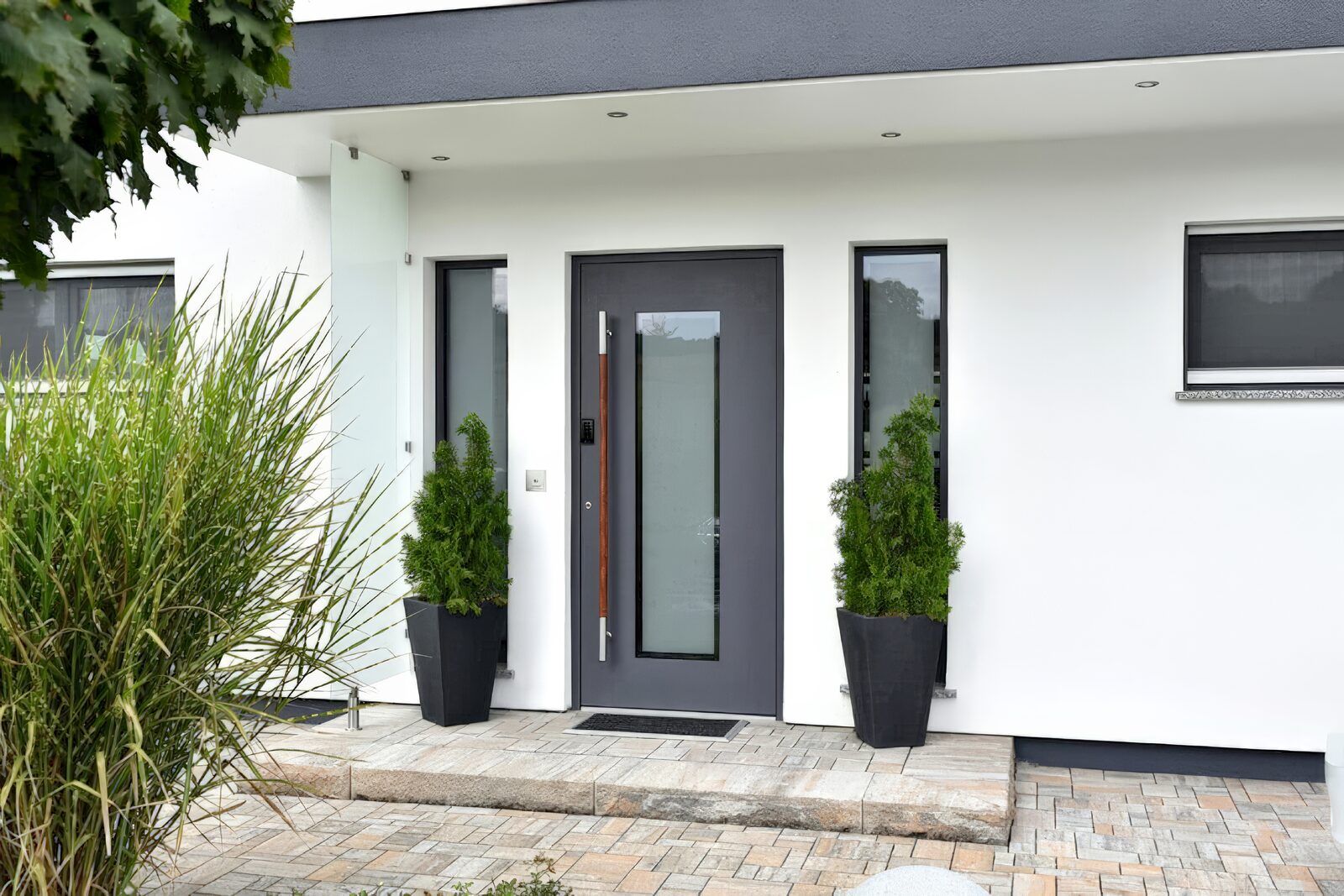
On the drawing board, a building’s entrance may seem like a straightforward part of the facade. In practice, however, more and more functions are converging right here. Security, ease of use, accessibility, airtightness, automation, and aesthetics should not conflict with one another, but rather reinforce each other. As a result, the door is gradually evolving from a separate structural element into a technically integrated part of the building’s overall design.
For architects, this means above all that decisions regarding access technology are becoming relevant earlier and earlier in the design process. After all, a minimalist entrance design can only truly remain minimalist when technology, hardware, and access control are carefully integrated into it. “What you draw must be feasible,” says Joska Hissink, who is responsible for sales in the Netherlands at SIEGENIA. “Load-bearing capacity, construction, security: various aspects come into play. The sooner we sit down together, the better.”
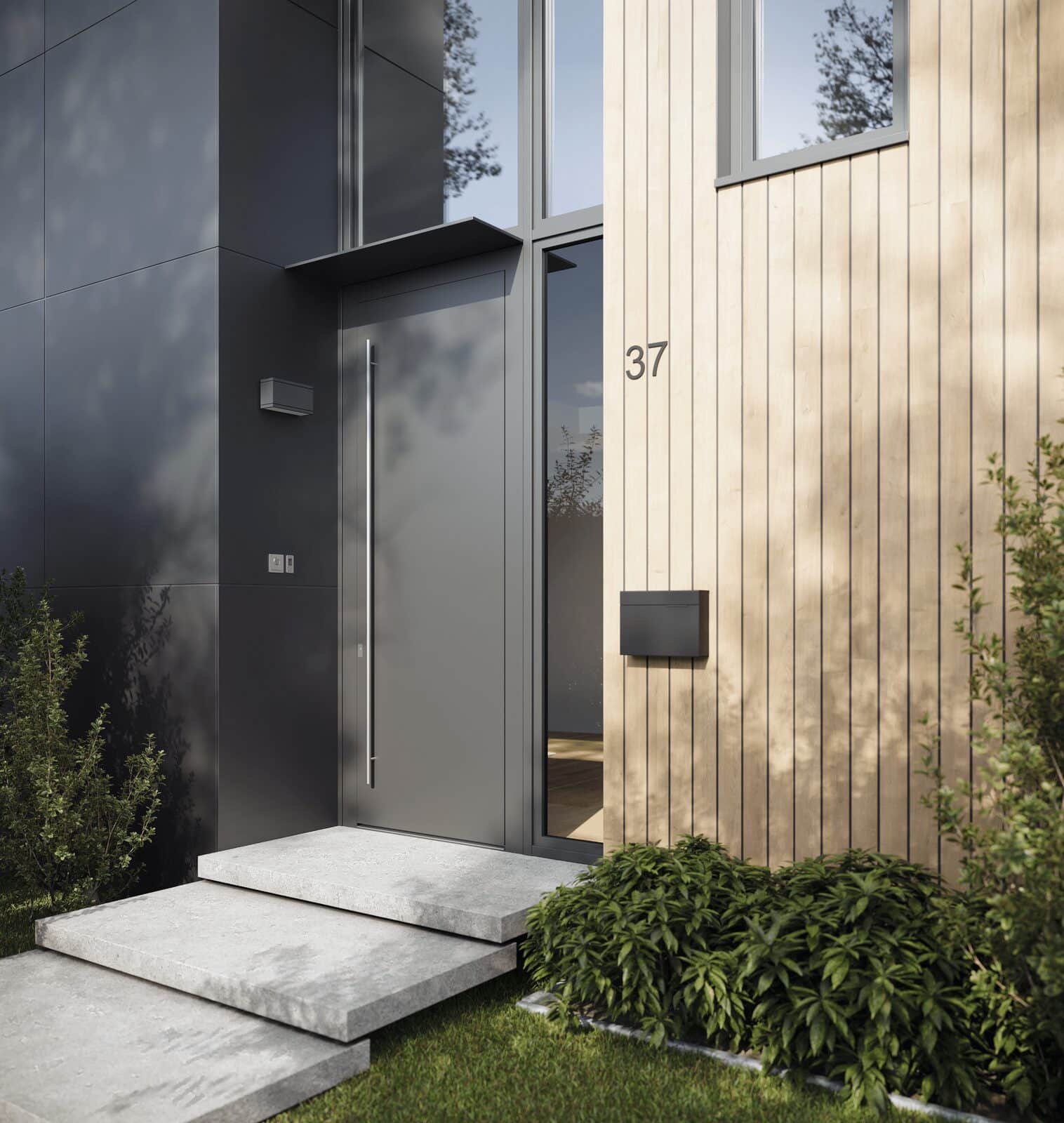
This early coordination is becoming more important as doors are increasingly integrated with building automation systems. For example, motorized window and door drives can communicate with a digital bus system. Through a KNX gateway, not only can a door be controlled, but information about its status can also be fed back to the building management system.
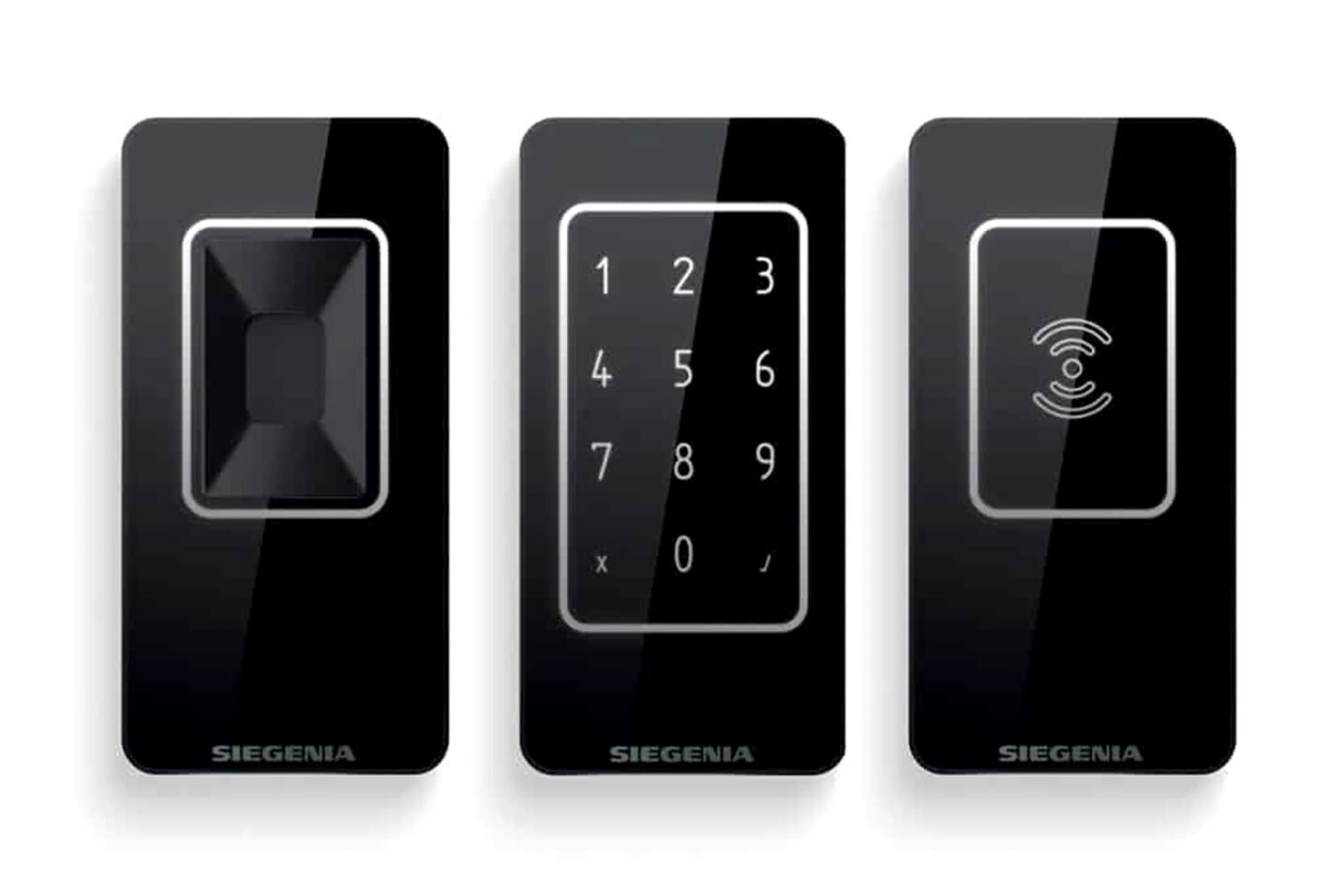
This creates the opportunity to approach access, security, and other building functions as a single, integrated system. At the same time, this technology need not be particularly visible from an architectural standpoint. Fingerprint scanners, keypads, and transponders can be integrated into or near the door unit, and electromechanical multi-point locks can be linked to access control systems.
“It is precisely that access control that is becoming less and less visible,” says Joska. “That makes smart access an attractive option for residential and commercial buildings, without individual technical components having to dominate the facade’s architecture.”
Behind that invisible technology, the mechanical foundation remains important. A door must lock reliably and continue to function properly even under changing conditions. Self-adjusting locking technology, for example, can accommodate tolerances, heavy use, or slight deformations of a door, thereby reducing the need for future adjustments.
In addition to technical integration, feasibility is also playing an increasingly important role. Construction sites need to become more efficient, and prefabrication is gaining importance. This has implications for how components are designed and assembled. “Construction needs to be faster,” says Joska. “So products must be suitable for prefabrication: custom hardware and as much plug-and-play as possible.”
With complete lift-and-slide door kits, thresholds and hardware, for example, can be delivered custom-sized, pre-drilled, and, where possible, pre-assembled. This reduces the number of steps required on-site and minimizes the risk of dimensional discrepancies.
For architects, this may ultimately be the most important development. Design freedom and technology are not at odds with each other, but are becoming increasingly interdependent. A well-designed entrance should look effortless, while behind that appearance lies an ever-increasing amount of technology.
Or, as Joska puts it: “The challenge is to bring design, engineering, and construction together early on. That’s exactly where the opportunity arises to create an entrance that not only looks beautiful but also functions in a smart, safe, and future-proof way.” •
Neem dan rechtstreeks contact op met SIEGENIA GROUP.
 Contact opnemen
The SIEGENIA GROUP offers an extensive range of products that make windows and doors valuable. With the TITAN, ALU and PORTAL product groups, as well as AERO and DRIVE, the company is among the world's leading providers of hardware, ventilation and building technology. KFV also covers the entire field of modern locking systems for doors. The full range is rounded out [...]
Bekijk Bedrijfsprofiel