






Recycled gypsum: the same performance with a lower environmental impact
Text Petra BroedersImage Siniat – Etex Building Performance
A first for recycled gypsum
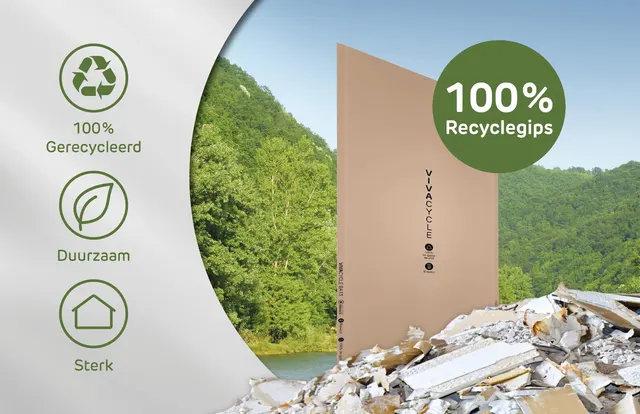
Making a more sustainable material choice without compromising on technical performance is an attractive proposition for architects. With VivaCycle™, Siniat adds a plasterboard to its range in which both the paper and the gypsum core are made from 100% recycled material. What is particularly noteworthy is the source of the gypsum. Rather than production waste, post-consumer material from construction and demolition waste is given a new lease of life as a fully-fledged building board.
Siniat develops systems for dry and lightweight construction, from plasterboards and jointing compounds to the associated profiles and fixings. The brand is part of Etex, the international building materials group that aims to further reduce its environmental impact by 2030. For Siniat, this ambition translates into measures including saving energy and water, reusing production offcuts and increasing the proportion of recycled raw materials. With VivaCycle™, the latter priority takes particularly tangible form.
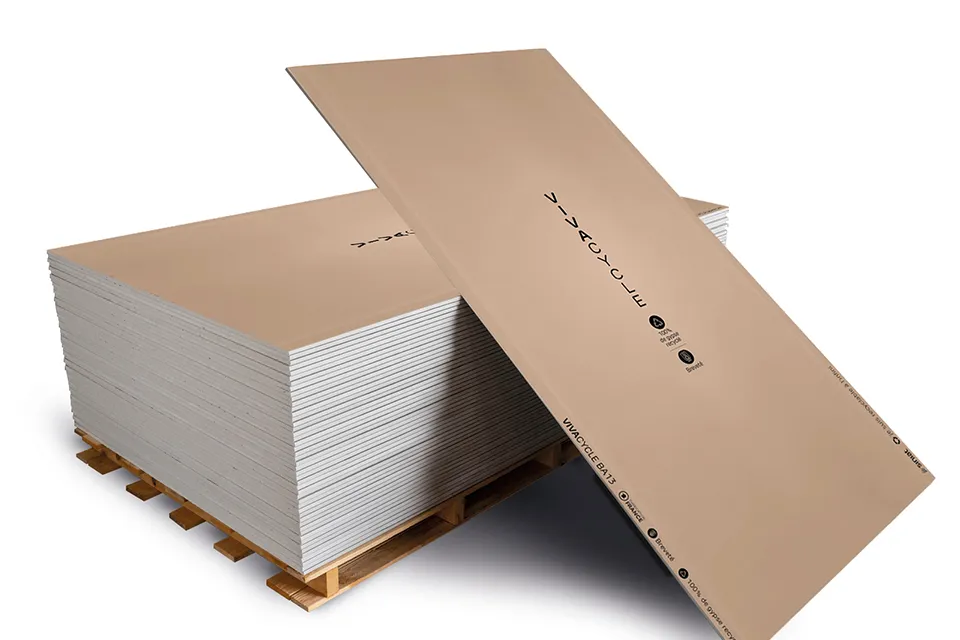
The new standard plasterboard is made entirely from recycled material, both on the outside and in the core. “Gypsum is fully recyclable and can be used again as a raw material,” says Toon Plompen, Product & Sustainability Manager at Siniat. “The challenge was to make another board from recycled gypsum, with a core made entirely of that material. We have achieved that with VivaCycle™.” Siniat is the first player on the market to introduce a plasterboard with a core made from 100% recycled gypsum.
From construction waste to raw material
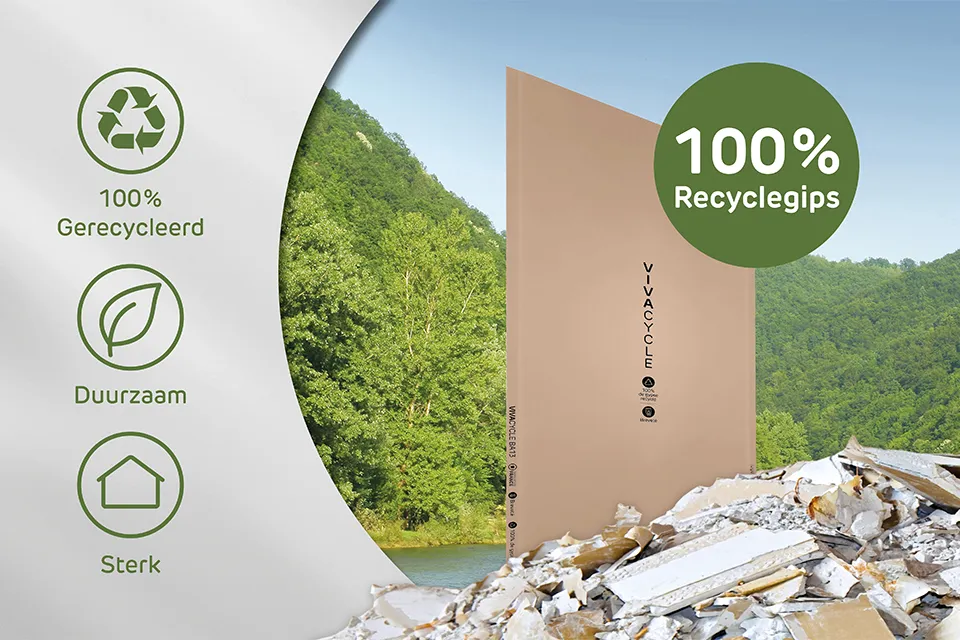
The collected gypsum re-enters the material cycle through specialist recycling companies. This is material from buildings that have already been in use, rather than the offcuts and production waste that Siniat has been reusing for some time. Here, material that has already been used in a building is given a new purpose. Primary raw materials are thus replaced with secondary ones, while the new board itself can be recycled again after use. This approach makes circularity tangible in lightweight partition walls and ceiling systems.
Specify it as you always have
Technically, little changes for architects. VivaCycle™ complies with EN 520 and has been tested for properties including fire behaviour and flexural strength. Its acoustic performance is also on a par with that of a conventional standard plasterboard. “The way it is specified, installed and used remains the same,” Plompen emphasises. “You retain the performance, with a lower environmental impact.”
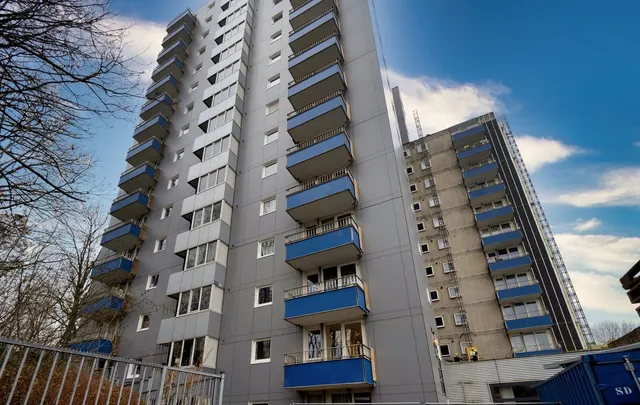
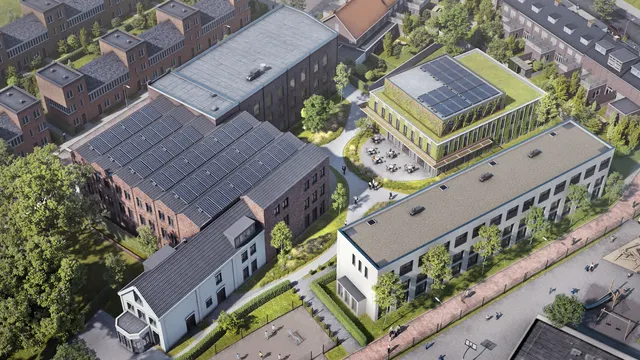
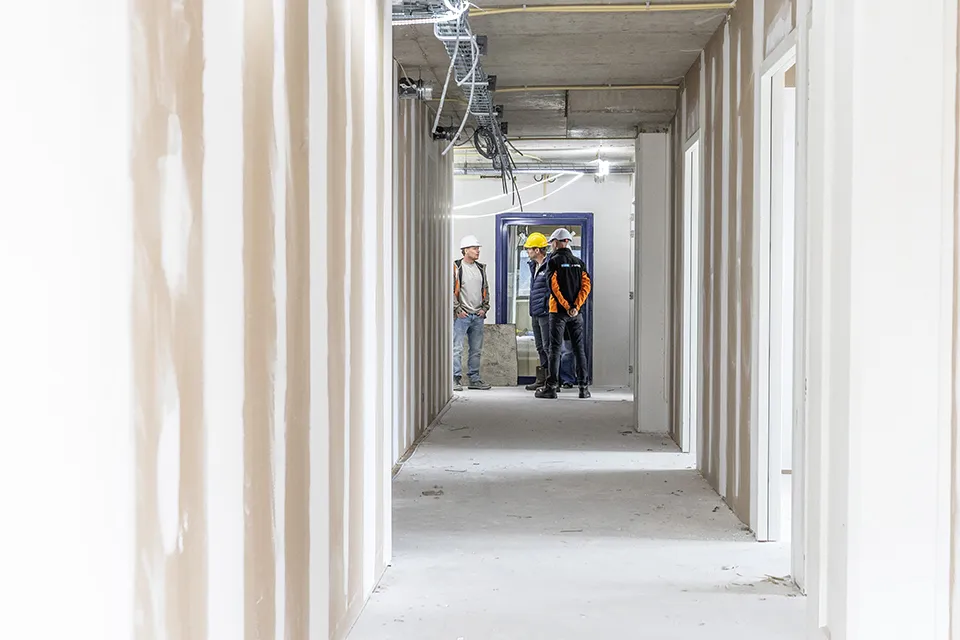
This makes the board suitable for both new-build and renovation projects. In the Netherlands, for example, it has already been used in the renovation of an asylum centre that was deliberately designed with future deconstruction and the maximum reuse of materials in mind.
Substantiating sustainability
For projects with specific sustainability ambitions, the ability to substantiate claims is also important. In addition to technical data sheets, VivaCycle™ has an Environmental Product Declaration (EPD), which documents its environmental impact over the life cycle. These data support architects with sustainability calculations and schemes such as BREEAM and LEED.
According to Plompen, this is where an important added value lies: “The market increasingly asks for the same performance with a lower environmental impact. Circularity is becoming an obvious choice that architects can make right at the drawing board.”
Question about this story? Ask your question
Keep following this
Get an email when a new story is published. No account needed.
- ThemeLower-impact material choices
- SubjectSustainability & circularity