





Eindhoven school features fully circular uPVC window frames
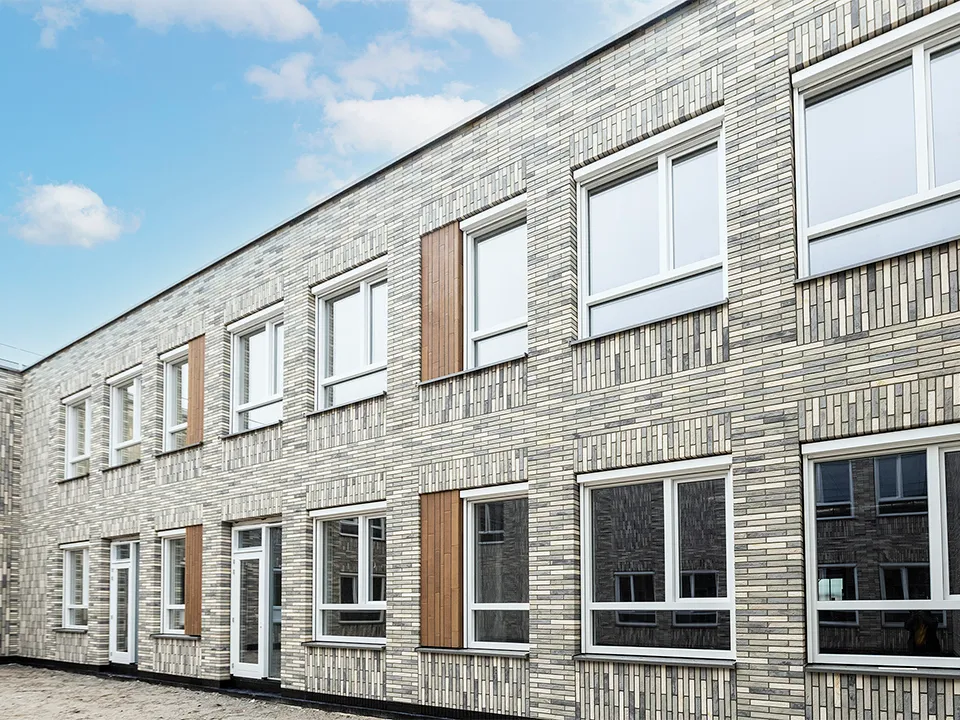
Avignonlaan in Eindhoven provides proof that sustainable, circular construction is possible within budget. The conditions: work together as a team, keep communicating and involve partners who all share the same high ambitions.
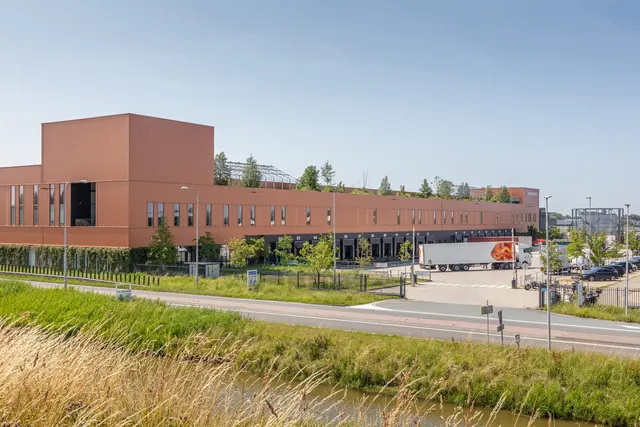
Sustainability plays a leading role in the new school complex for the Aloysius Stichting. The focus on the building’s energy performance and the use of circular materials ran throughout the project. The result is the use of fully circular uPVC window frames and reclaimed steel.
Developer and main contractor Dura Vermeer Bouw Zuid BV was commissioned by the client, Eindhoven municipality, to achieve the greatest possible sustainability benefits within the total budget of 13 million euros. “We strongly encouraged the contractor and partners to take a different view of circularity, sustainability and collaboration,” says John Antonise, project manager at Eindhoven municipality.
The foundations for achieving those sustainability benefits had to be laid during the brief, tender and design phases. This meant bringing all parties together from the outset to ensure the plans were properly coordinated.
After getting to know all the construction partners in depth, the contractor put together a team that is still active today. According to Harm Wingens, business unit manager at Dura Vermeer Bouw Zuid, the team’s ongoing exchange of knowledge made a major contribution to delivering the new school complex. “There were no ready-made solutions for the sustainability ambitions. It was a constant process of pioneering, and you need each other to succeed.” “The result is a team achievement,” says John Antonise.
uPVC window frames
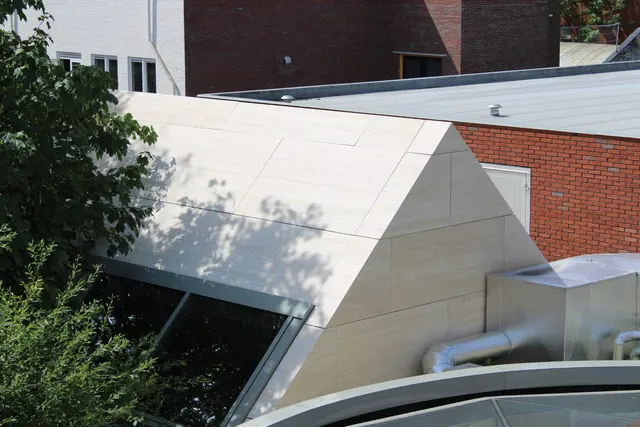
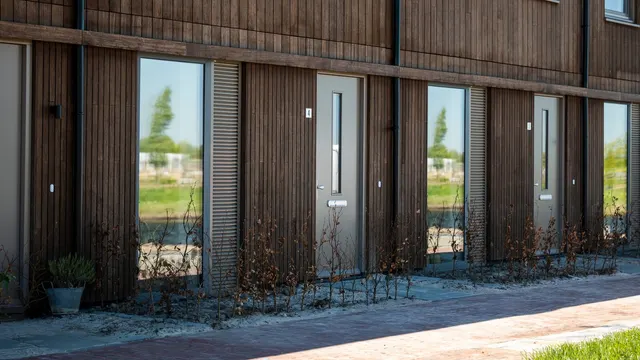
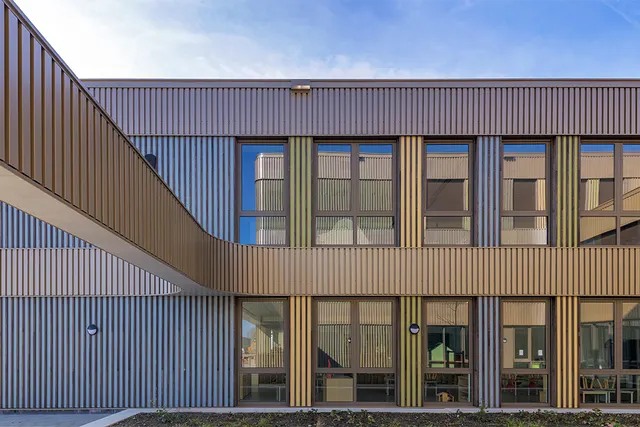
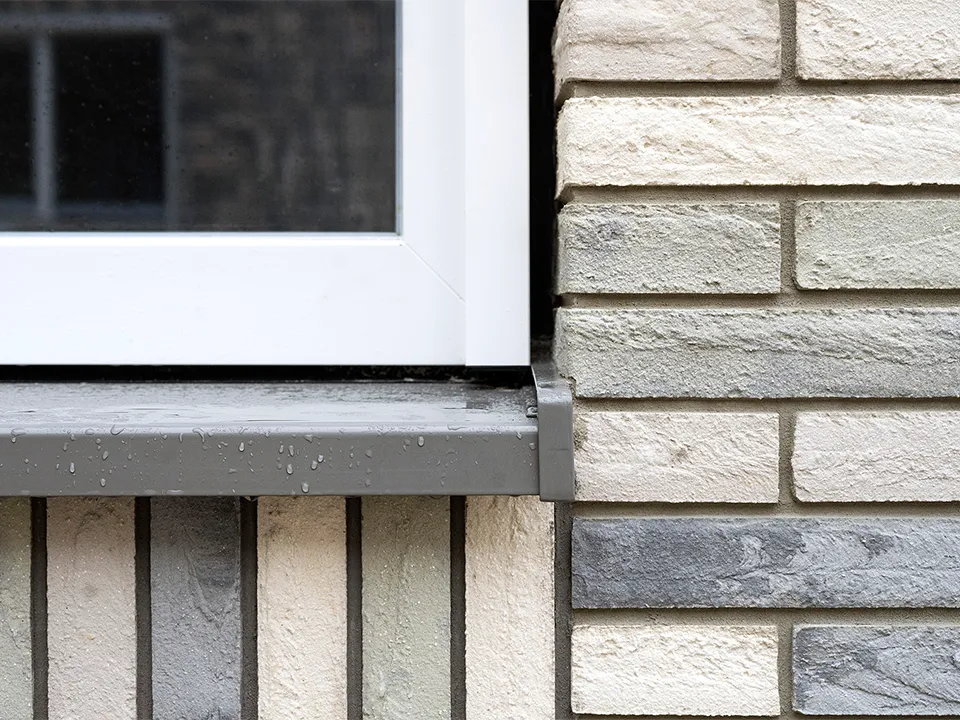
The new school building has a distinctive façade, with brick slips and insulation on the outside. As uPVC window frames were the best aesthetic fit for the design and also the most sustainable option in terms of maintenance, Dura Vermeer began looking for a solution. Geert Verlind, who was involved in the construction on behalf of Eindhoven municipality as a sustainability expert, guided Dura Vermeer through the process.
Advice from VKG
They consulted Albert Zegelaar, director of the Vereniging Kunststof Gevelelementenindustrie (VKG). Verlind says: “I knew that the sector was very active and innovative in the field of reuse and circularity. Albert confirmed this. Through the VKG Recyclesysteem, the VKG Keurmerk organises a closed loop in which old uPVC window frames are collected and returned to the supply chain. VKG was honest, though, and said that this would be one of the first projects to use 100 per cent circular window frames. This could entail some risk, so I took that information back to Dura Vermeer. They then decided to approach three manufacturers and discuss the options and opportunities with them.”
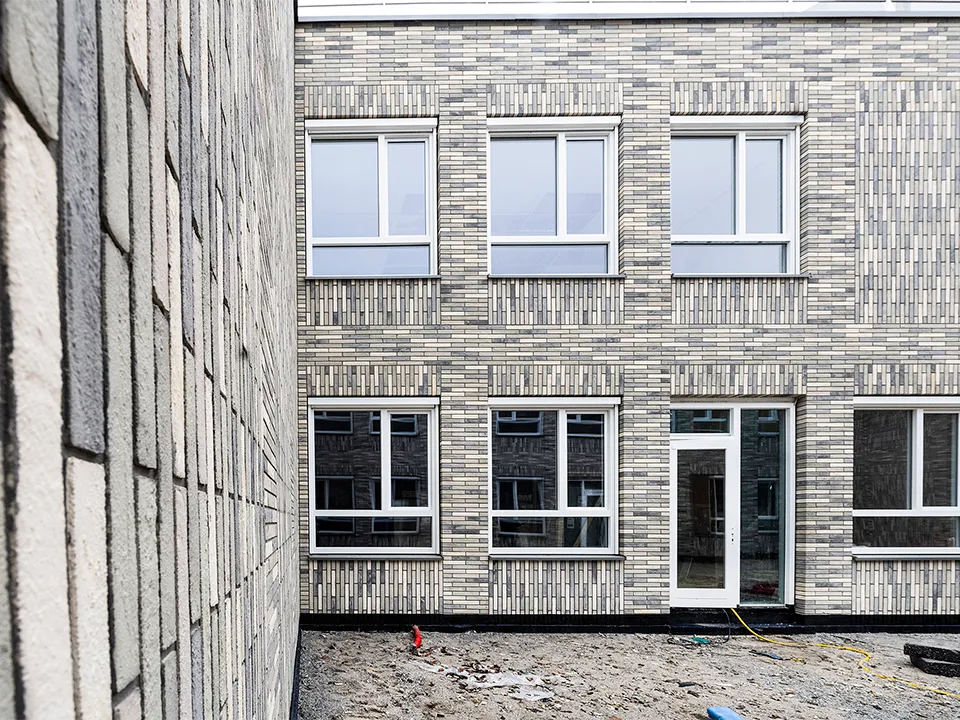
Fully circular frames in a courtyard
Martien Akerboom from Ploeg kozijnen, one of the three manufacturers, showed the construction team the fully circular uPVC window frame that Ploeg kozijnen was developing at the time with profile supplier Deceuninck. The presentation ultimately led to a partnership. Ploeg kozijnen is supplying 155 Deceuninck Verdo Neo Premium frames for the façades and 30 fully circular Phoenix frames for one of the two courtyards. This will allow Ploeg kozijnen and Deceuninck to monitor how the circular uPVC frames perform in all weathers over the coming years.
Reusable up to ten times
Akerboom has no concerns about their quality. “Reuse does not degrade the quality of uPVC. The material can be reused up to ten times, which makes it extremely sustainable.”
Producing uPVC from recycled uPVC also requires 90 per cent less energy than manufacturing new uPVC. Deceuninck also uses a crushing method to recycle the uPVC, which requires no heating.
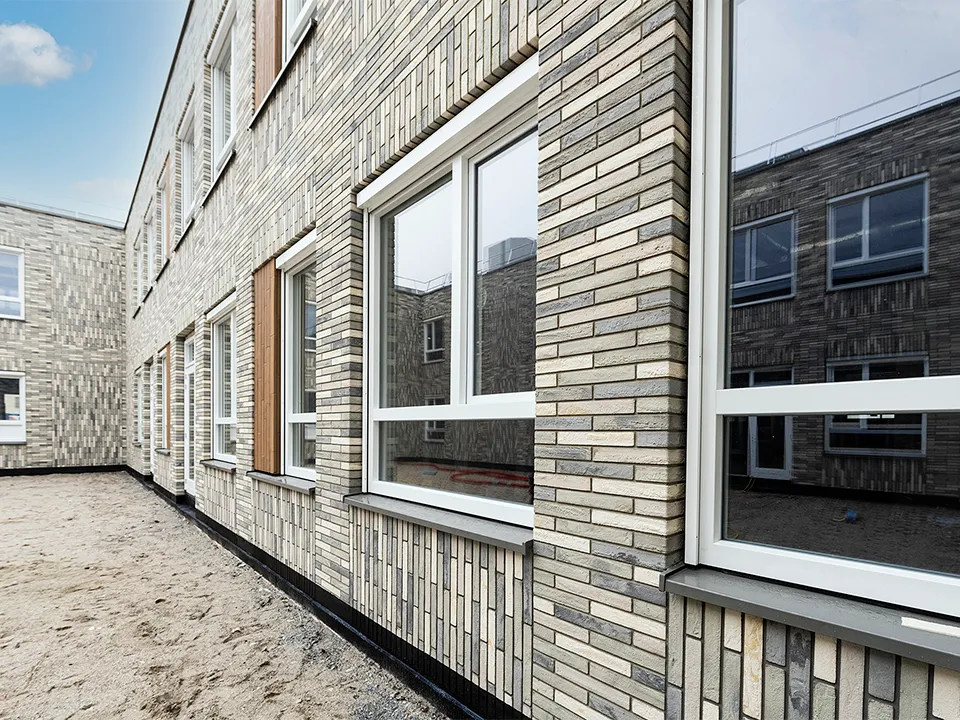
The uPVC loop
Before fully circular uPVC window frames can be used on a large scale, the uPVC recycling loop needs to get going, ensuring a continuous supply of sufficient raw materials. “As a sector, we really have to do this together, but then we can take this important step towards sustainability,” says Akerboom.
Dura Vermeer is also aware of this. “Avignonlaan provides proof that sustainable, circular construction is possible within budget. You just have to work together, communicate well and find partners who all share the same high ambitions,” says Wingens.
Question about this story? Ask your question
Keep following this
Get an email when a new story is published. No account needed.
- ThemeLower-impact material choices
- SubjectProjects